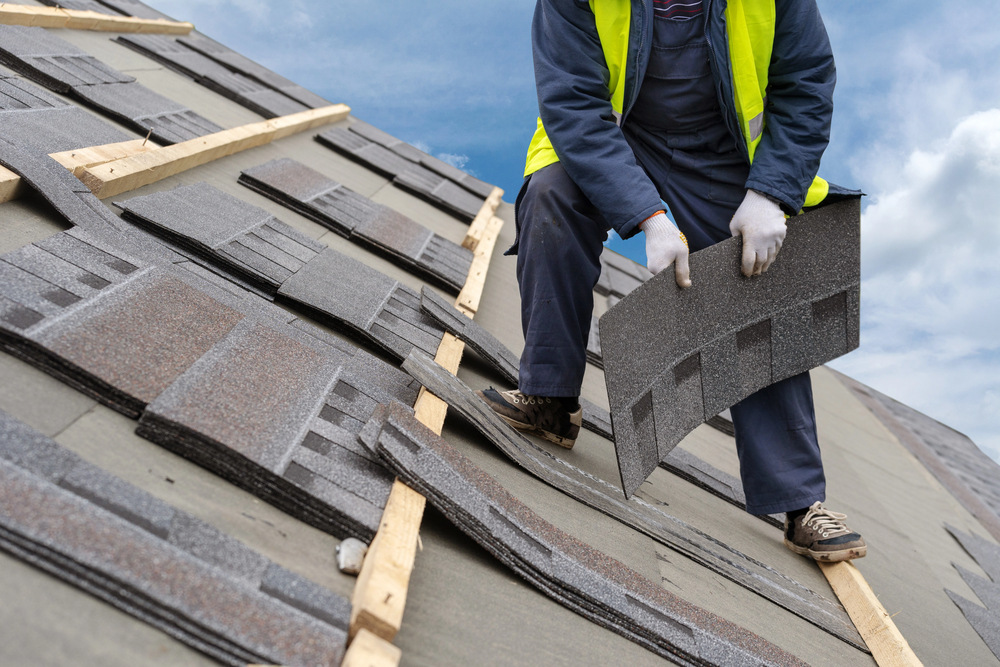
When you begin the process of getting a new roof or repairing an existing one, having a well-structured roof estimate is essential. A clear estimate explains what the roofing project involves, including materials, labor, and expected work. This level of detail helps homeowners know what to expect and reduces the chance of confusion later.
As a trusted roofing contractor in Maine with over 15 years of experience, we know exactly what should be included in a roof estimate to make the process as transparent and seamless as possible.
Understanding Roof Estimates
A roof estimate is a breakdown of the costs, materials, and labor involved in completing a roofing project. For homeowners, it serves as an essential document to compare contractors, understand what is included, and plan the budget.
The estimate should be easy to read and broken down into logical sections so that the homeowner can see exactly what they are paying for.
Contact Information and Company Details
The first item in any roof estimate should be the company’s contact information. This includes the roofing contractor’s name, phone number, address, and email.
You should also see licensing and insurance information. These show that the contractor is properly certified to perform roofing work and can offer you protection in case of accidents or damages.
For peace of mind, make sure that your estimate comes from a reliable source.
Scope of Work and Project Description
The estimate should clearly describe the work to be done. This includes whether you are getting a roof repair or a full roof replacement, and it should outline the specific tasks involved. For example, a roof replacement may involve removing the existing roof, installing new materials, and replacing damaged decking.
If it’s a simple repair, the estimate should explain which areas of the roof will be fixed, such as replacing shingles or sealing leaks. Clear communication about the scope of work sets expectations and reduces the risk of confusion later on.
Roof Measurements and Details
Roof estimates should always include precise measurements of your roof, which are usually listed in roofing squares. One roofing square equals 100 square feet. Roof pitch (the steepness of the roof) should also be included, as a steeper roof can increase labor costs and safety requirements.
The more accurate the measurements, the more accurate the estimate will be. If a contractor is unsure of your roof’s measurements, they should physically inspect the property to gather the necessary data before providing a final estimate.
Materials List and Specifications
A comprehensive roof estimate will list all the materials that will be used in the project. This includes roofing materials like shingles, underlayment, flashing, and any additional items such as gutters or vents. The brand and model of each material should be specified.
For example, if asphalt shingles are being used, the estimate should list the brand, model, and color of the shingles. This level of detail gives you a clear idea of the quality and style of materials that will be installed.
Labor Costs and Timeframe
Labor costs are typically the largest portion of any roofing estimate. A clear breakdown of labor costs should be included in the estimate, showing how much each part of the job will cost in terms of time and effort.
For instance, the estimate should explain the labor costs for removing old shingles, repairing damaged areas, installing new shingles, and conducting cleanup.
A timeline should also be provided. This helps homeowners understand when the project will start, how long it will take, and what to expect each day during the job. We believe that setting clear expectations around timeframes leads to a smoother roofing experience for everyone involved.
Permits, Inspections, and Compliance with Local Codes
Many roofing projects require permits or inspections to meet local building codes. These costs should be included in the estimate to avoid surprises later on. If you are installing a new roof or replacing an existing one, it is important that the contractor follows local regulations to guarantee safety and compliance.
The roof estimate should also mention whether any inspections are needed once the roof installation is complete. This section of the estimate makes sure that all work is done legally and up to code.
Roof Tear‑Off and Disposal Costs
If your roofing project involves replacing an old roof, the estimate should include the cost of tearing off the old roofing material and disposing of it. This part of the estimate should show how many layers of roofing will be removed and the disposal fees for hauling away the debris.
Roof tear‑off can be labor‑intensive and involves extra steps, so it is important that this cost is clearly accounted for. If your roof does not need a full replacement, this section will not apply, but if it does, it is crucial to include the proper disposal costs.
Warranties and Guarantees
One of the most important aspects of any roof estimate is understanding the warranties and guarantees that come with the work. The estimate should list the manufacturer’s warranty on materials as well as the contractor’s workmanship warranty. Roofing warranties help protect you in case of problems with the materials or installation.
A good contractor includes a workmanship warranty that gives homeowners confidence that repairs will be addressed if needed. Monastery Roofing stands behind our craftsmanship with a warranty on all our work, giving long-term protection and added peace of mind.
Payment Terms and Conditions
Clear payment terms help prevent confusion. The estimate should list deposit amounts, progress payments if applicable, and final payment timing. It should also explain how pricing changes are handled if additional work becomes necessary. Transparent payment terms help homeowners plan financially and avoid unexpected costs.
Property Protection and Cleanup
A reliable roofing contractor prioritizes protecting your home throughout the installation or repair process. The roof estimate should explain the steps taken to safeguard landscaping, gutters, siding, and other exterior features.
Cleanup details should also be clearly listed, outlining how debris and leftover materials will be removed after the work is finished. Our team takes added precautions to protect your property during the project and completes a full cleanup once the job is finished.
Extra Costs for Roof Decking and Ventilation
Any required repairs to the roof decking should be identified within the estimate. Decking, which supports the roofing system, may need attention if rot or structural damage is present. The estimate should also address costs associated with improving attic ventilation or installing additional vents. Proper ventilation plays a key role in extending the life of the roof and supporting overall performance.
What to Do Next
Roof estimates are a vital part of any roofing project. A clear, detailed estimate protects both the homeowner and the contractor by setting expectations and ensuring transparency.
If you are in need of roof repair or a full roof installation in Maine, Monastery Roofing can help. We have been providing top‑quality roofing services for over 15 years, and we are committed to making the process as easy as possible for our customers.
If you are ready for a reliable and detailed roof estimate, call us today, request a quote, or schedule an appointment. We are here to help you with all your roofing needs. Reach out to us now for professional service you can trust.