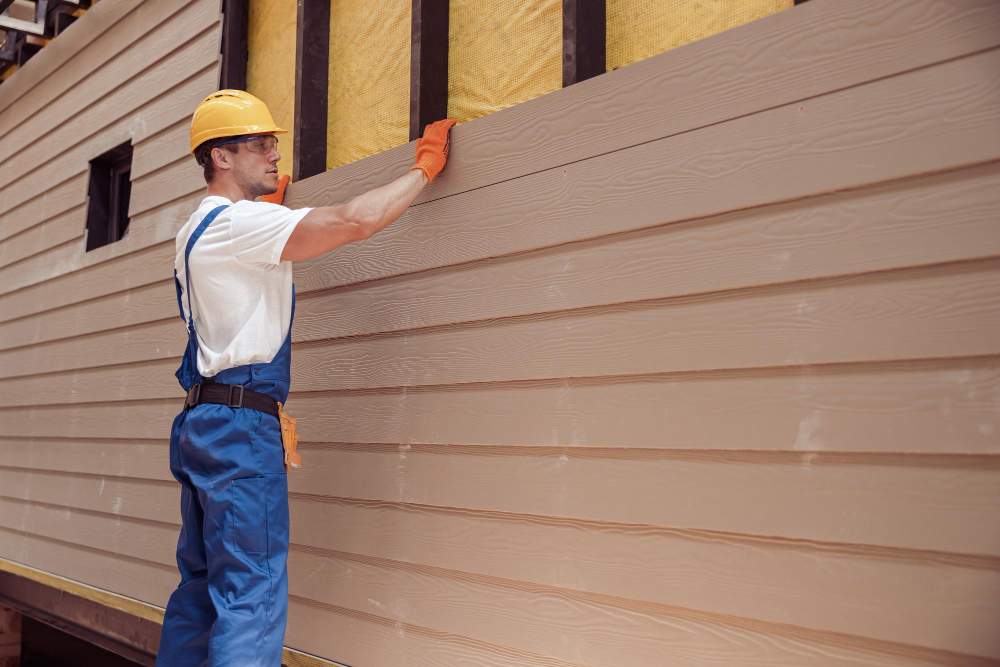
A rain screen for siding is a construction technique designed to protect your home from moisture damage, increase the durability of your exterior, and improve energy efficiency. While traditional siding installation can sometimes trap water behind the surface, a rain screen system provides a small air gap that allows moisture to escape, reducing the risk of rot, mold, and structural issues.
For homeowners concerned about protecting their investment, understanding the benefits and costs of a rain screen system is essential before making a decision.
In areas like Maine, where heavy rain, snow, and seasonal temperature changes are common, siding that properly manages moisture can save thousands in future repairs. While rain screens are often associated with higher-end construction projects, they are becoming increasingly popular for homeowners who want long-term protection and peace of mind.
In this guide, we’ll explain how rain screen systems work, the advantages and potential drawbacks, and factors to consider when deciding whether they’re right for your home.
What Is a Rain Screen?
A rain screen is essentially a gap between the exterior siding and the underlying wall sheathing. This gap allows water that penetrates the siding to drain away or evaporate before it reaches the structural components of your home. Unlike traditional siding installation, which presses siding directly against the wall, a rain screen creates a controlled space that prevents water from being trapped.
The design addresses two main problems: water infiltration and trapped moisture. The air gap lets walls dry naturally, reducing the likelihood of mold, mildew, and wood rot. Pressure equalization also occurs, preventing wind-driven rain from forcing water through the siding into the wall system. A rain screen acts as both a shield and a ventilation system for your home’s exterior.
How Rain Screens Protect Your Home
The benefits of a rain screen for siding extend beyond simple moisture management. Small amounts of trapped water can compromise wall integrity over time. Wood framing can warp, sheathing may weaken, and finishes can peel, all leading to costly repairs. A rain screen lets moisture drain and evaporate, preserving the materials behind your siding.
Rain screens also reduce the risk of mold and mildew growth. Homes without proper moisture control often develop hidden damp areas, which can damage building materials and negatively affect indoor air quality. A rain screen minimizes these risks, protecting your home and family from potential health hazards.
Additionally, rain screens contribute to energy efficiency. The air gap provides a minor insulating effect, lowering heat transfer and helping maintain more stable indoor temperatures. Although modest, this benefit complements other energy-saving measures and adds long-term value to your home.
Types of Rain Screen Systems
Rain screens are not one-size-fits-all, and several approaches are commonly used depending on the home’s design and the type of siding.
The most widely used method is the furring strip system, where vertical strips are installed over the wall sheathing to create a small air gap, and the siding is then attached to these strips. This method is versatile, works with most siding materials, and provides consistent drainage and airflow behind the siding.
Another approach is the ribbon system, which involves placing thin horizontal strips behind the siding at intervals. While this method is often chosen for decorative siding styles, it can be more labor-intensive and requires precise installation to ensure proper moisture management. Some modern siding products include specialized clips or channels that create a built-in rain screen effect, allowing for uniform airflow and simplified installation.
Each of these systems offers unique benefits depending on your home’s design, siding type, and local climate conditions. Selecting the right system makes sure that your siding not only looks great but also functions effectively for moisture management, energy efficiency, and long-term durability.
It’s also important to consider the home’s structural features when choosing a rain screen system. Roof overhangs, wall orientation, and window placement can affect how water interacts with the exterior walls. A well-planned system takes these factors into account, which directs water away from critical areas and reduces the risk of leaks or damage.
Siding Materials Compatible with Rain Screens
Most siding materials can benefit from a rain screen, though the degree of advantage depends on the material used. Fiber cement siding pairs particularly well with rain screens because its durability and moisture resistance are further enhanced when water can drain freely behind it. This combination not only protects the walls but also helps maintain the siding’s appearance over time.
Wood siding is especially prone to moisture-related issues such as rot, warping, and decay, making a rain screen extremely beneficial for prolonging its lifespan and maintaining its aesthetic appeal. Vinyl siding, while generally low-maintenance, can trap condensation behind the panels, and incorporating a rain screen helps prevent moisture buildup, reducing the likelihood of hidden damage.
Composite and engineered wood siding also gain improved airflow and moisture management from a rain screen, which helps maintain both structural integrity and long-term durability. Pairing the appropriate siding material with a professionally installed rain screen ensures maximum protection and peace of mind for homeowners.
Additionally, the style and finish of the siding can influence the effectiveness of a rain screen. Heavier siding materials, such as fiber cement or engineered wood, often require precise attachment and air gap design to achieve optimal drainage, while lighter materials may benefit more from specialized clips or furring strip spacing.
Considering both the material and installation method allows homeowners to maximize performance, reduce maintenance, and enhance the life of their siding investment.
Cost Considerations for Rain Screens
Installing a rain screen does involve additional costs beyond standard siding. Materials for the air gap, furring strips, or specialty hardware, along with the added labor, contribute to the overall investment. On average, homeowners might expect an increase of 10–20% over the cost of traditional siding installation.
This upfront cost can pay off in the long term by reducing maintenance needs, preventing structural repairs, and increasing overall durability. Other factors that influence cost include the type of siding being used, the complexity of the home’s design, local labor rates, and the accessibility of the installation site. While rain screens are an investment, many homeowners consider them worthwhile for the added protection, long-term savings, and peace of mind they provide, particularly in climates prone to heavy rain, snow, or fluctuating temperatures.
It is also important to evaluate long-term value when considering costs. Selecting high-quality materials and professional installation may increase upfront expenses. However, this investment can significantly reduce repair and replacement costs over the lifespan of your siding while helping maintain its appearance and structural integrity for many years.
Installation Process Overview
The installation process for a rain screen is more involved than standard siding installation. First, the existing siding or sheathing must be carefully inspected and thoroughly prepped.
Any damaged or deteriorated materials should be repaired or replaced to create a solid and stable foundation for the new system. Next, furring strips or specialized hardware are installed to form the required air gap, followed by precise attachment of the siding itself.
Precision and attention to detail are critical at every stage of installation. Gaps must remain consistent, siding must be securely fastened, and all components must be aligned correctly to prevent movement, gaps, or water intrusion. Proper flashing and sealing around windows, doors, corners, and roof intersections are also essential to ensure the system functions as designed and provides complete moisture protection.
The ongoing performance of a rain screen depends heavily on proper installation from the very beginning. Any shortcuts, misalignment, or improper fastening can compromise the air gap, hinder drainage, and lead to potential water-related damage.
Completing each step correctly preserves the siding’s protective function, maximizes its durability, and improves energy efficiency. This ultimately protects both your home and your long-term investment.
Maintenance Considerations for Rain Screens
While a rain screen for siding significantly improves moisture management and durability, it is not entirely maintenance-free. Periodic inspections are essential to ensure that the air gap remains clear and the siding is in good condition.
Professional installers often recommend checking for displaced or damaged siding, removing debris from the gap, and inspecting flashing around windows, doors, and roof intersections. Addressing minor issues early helps prevent costly repairs and extends the lifespan of your siding and structural components.
Routine cleaning is also important to prevent the buildup of leaves, dirt, and moss, which can trap moisture and reduce the effectiveness of the rain screen. Additionally, working with a licensed contractor ensures that any repairs or adjustments are performed safely and correctly.
Attempting to maintain or fix a rain screen system without professional knowledge can lead to further damage or even structural issues. By trusting a professional, homeowners can be confident that their siding continues to function as intended, protecting both their home and investment.
Regular monitoring also allows homeowners to notice subtle changes, such as small gaps or warping, before they turn into larger problems. Keeping detailed records of inspections and maintenance can help identify patterns or recurring issues that may need professional attention.
Long-Term Benefits of Rain Screens
The long-term advantages of installing a rain screen go beyond immediate moisture protection. Over time, homes with properly installed rain screens experience fewer instances of rot, mold, and water damage. This reduces ongoing maintenance costs and lowers the likelihood of expensive structural repairs.
The durability of the siding itself is also improved, as moisture is less likely to degrade the material or its finish. This can significantly extend the life of your exterior walls and help preserve your home’s appearance, value, and overall structural integrity.
Another long-term benefit is energy efficiency. The small air gap behind the siding provides an additional insulating layer, which can help reduce heat transfer through exterior walls. While this effect is modest, it contributes to more stable indoor temperatures, lowering heating and cooling costs over time. In regions with fluctuating climates, such as Maine, this added insulation provides practical comfort benefits while also protecting the structural components of the home.
Investing in a rain screen also pays off in terms of resale value. Prospective buyers often recognize the added protection, durability, and quality craftsmanship that a rain screen provides. This makes homes with this feature more appealing, competitive on the market, and potentially easier to sell, while giving homeowners confidence in the long-term performance of their siding.
Regional Considerations for Rain Screens
Local climate conditions play a critical role in the performance and necessity of a rain screen system. Areas that experience heavy rainfall, high humidity, or frequent snow benefit most from the added protection, as the air gap allows water to drain and walls to dry efficiently.
Homes in regions with fluctuating temperatures or seasonal freeze-thaw cycles also require proper moisture management to prevent damage to the siding and underlying structure.
In addition to climate, local building codes and permitting requirements may influence installation methods and materials. Professional contractors are familiar with these regulations and can manage the approval process. They make sure that your installation meets all legal and safety standards. Proper installation is essential to maximize the benefits of a rain screen, including both moisture protection and energy efficiency.
How Monastery Roofing LLC Can Help
At Monastery Roofing LLC, we specialize in siding and exterior solutions that protect your home and enhance its longevity. With over 15 years of experience, our family-owned business understands the unique challenges Maine homeowners face, from heavy snow to seasonal moisture fluctuations and extreme weather conditions.
We provide personalized guidance on whether a rain screen for siding is the right choice for your home, carefully evaluating your property, siding material, and long-term maintenance needs. Our team works closely with you to select the most effective system and installation method, ensuring your siding performs at its best.
Contact Monastery Roofing LLC today to schedule a consultation or request a detailed quote. Let us help you protect your home with a durable, effective siding solution that enhances both appearance and structural integrity while providing peace of mind for years to come.