EPDM roofing (ethylene propylene diene monomer) is a synthetic rubber roofing material renowned for its durability, flexibility, and cost-efficiency. Primarily used for flat or low-slope commercial and industrial roofs, EPDM roofing has become a popular option for building owners seeking a long-lasting solution. This guide covers what you need to know about EPDM roofing, its benefits, and how to maintain it effectively.
What is EPDM Roofing?
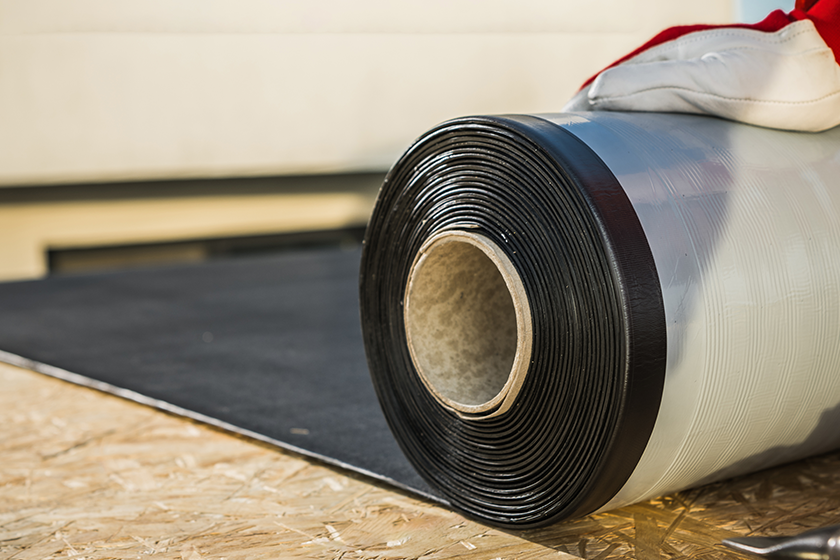
EPDM roofing is a single-ply membrane made from a mixture of ethylene, propylene, and diene, which creates a rubber-like material that is flexible and highly resistant to weathering. EPDM roofs typically come in black, although white versions are also available to offer reflective properties for energy efficiency in warmer climates.
The Benefits of EPDM Roofing
Durability and Longevity
One of the primary advantages of EPDM roofing is its long lifespan. When installed and maintained correctly, an EPDM roof can last for over 30 years. Durability makes it an excellent long-term investment for commercial buildings. Its high resistance to UV radiation, ozone, and extreme weather conditions makes sure that it can withstand a variety of environmental challenges.
Cost-Effective Solution
Compared to other roofing materials like PVC or TPO, EPDM is generally more affordable, especially for large commercial structures. Its relatively low cost combined with its extended lifespan makes EPDM a smart investment for property owners.
Energy Efficiency
Depending on the color of the EPDM material, it can either absorb or reflect heat. Black EPDM roofs are effective in colder regions, as they absorb heat and help reduce heating costs during the winter. On the other hand, white EPDM membranes reflect solar heat, making them ideal for warmer climates where cooling costs are a concern.
Easy Installation and Maintenance
EPDM is lightweight and easy to install, often requiring minimal disruption to the building’s operations. The installation process does not involve heat welding, and the use of cold-applied adhesives makes it a safer and more convenient option.
Potential Drawbacks of EPDM Roofing
Appearance
While EPDM is practical, some building owners may find its black color unappealing, especially for visible roofs. The availability of white EPDM helps mitigate this issue, but the overall aesthetic appeal may still not match that of metal or tile roofing.
Puncture Risk
Despite its durability, EPDM roofing can be susceptible to punctures, especially from sharp objects or heavy foot traffic. However, the issue can be minimized with proper care during installation and maintenance, such as using protective walkways.
Potential for Leaks
Improper installation can result in seams and penetrations becoming weak points, potentially leading to leaks. Regular inspections and sealing of these areas are essential to prevent leaks from developing over time. This is where professional EPDM rubber roofing services play a critical role in assuring the roof’s integrity.
Maintaining an EPDM Roof
Maintaining an EPDM roof is relatively straightforward. Regular maintenance helps guarantee that your roof performs optimally for decades. Here are some key maintenance tips:
- Bi-annual Inspections: Conducting inspections twice a year allows you to catch small issues like punctures, shrinkage, or ponding water before they develop into major problems.
- Debris Removal: Make sure that the roof is free of debris like leaves and branches, as these can cause premature wear.
- Prompt Repairs: Any signs of damage, such as punctures or leaks, should be addressed immediately by a roofing professional to prevent further deterioration.
- Reflective Coating: Consider applying a reflective coating over black EPDM to reduce heat absorption and extend the roof’s lifespan.
Installation Considerations for EPDM Roofing
Choosing the right installation method is vital to guaranteeing the longevity of your EPDM roof. The installation process can vary based on your building’s needs, and contractors typically opt for one of three methods:
- Fully Adhered: In this method, the membrane is glued directly to the insulation or substrate, creating a seamless, durable bond. Fully adhered installations are ideal for roofs with unusual shapes or slopes.
- Mechanically Attached: This method involves using fasteners to secure the membrane to the substrate. It’s a common choice for large commercial roofs where a fast and efficient installation is required.
- Ballasted: For roofs that can handle extra weight, the ballasted method involves placing the EPDM membrane loosely over the roof and securing it with heavy materials such as stone or concrete pavers. The method is ideal for flat roofs and brings the benefit of easy repair access.
Monastery Roofing LLC understands the unique demands of EPDM roofing projects. Whether you need roof repair and installation or ongoing maintenance, our team of experts makes sure that your EPDM roof is installed and maintained to the highest standards. With decades of experience in both EPDM rubber roofing services and metal roofing services, we help you protect your building’s structure while maximizing the lifespan of your investment. Contact us today.