Quick Summary
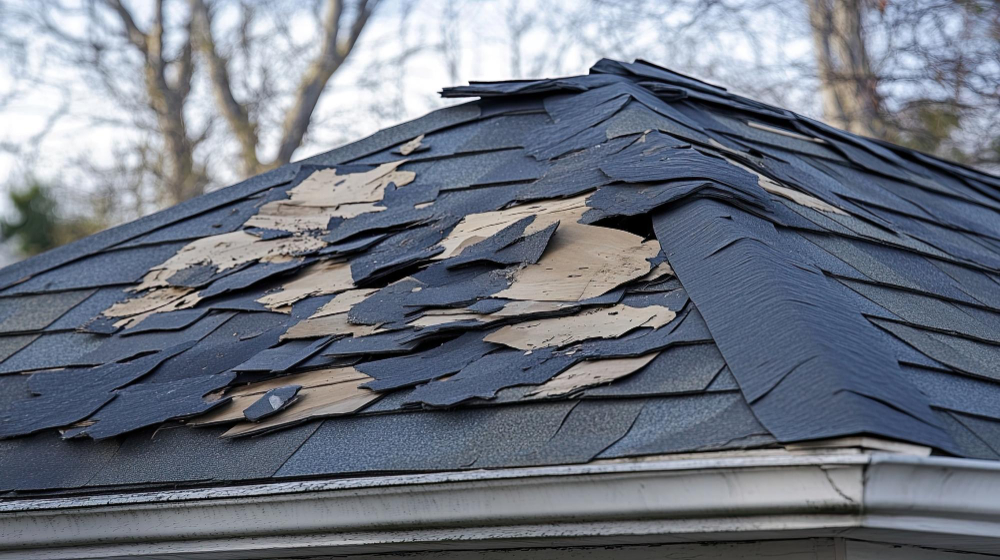
A sagging garage roof is a structural issue that develops over time due to moisture, excess weight, poor construction, or aging materials. The guide outlines five key steps: inspecting the structure, addressing water damage, reinforcing the frame, replacing damaged materials, and restoring the roof surface. Quick surface fixes rarely work because they ignore the underlying structural problems. Proper, timely repairs help prevent further damage and ensure long-term stability and safety.
A sagging garage roof can feel like a small issue at first. Over time, it turns into a structural problem that demands attention. If you are searching for how to fix a sagging garage roof, you are likely dealing with visible dips, water stains, or uneven lines across your roof.
These signs rarely appear overnight. They build slowly due to moisture, weight, or weak framing. Once the sag becomes visible, the structure underneath has already started to fail. That is why timing matters. Acting early keeps repair costs manageable and limits further damage.
In this guide, we walk through five practical steps that address the issue from the inside out. We focus on real solutions that tackle both the damage and the cause behind it.
Understanding Why Garage Roofs Sag
Before any repair begins, it helps to understand why sagging happens. A garage roof carries weight every day. That includes roofing materials, weather impact, and sometimes debris.
Water is one of the most common causes. Flat or low-slope garage roofs tend to collect standing water. Over time, that weight weakens the decking and framing. Moisture also leads to wood rot, which reduces the strength of the entire structure.
Poor construction can also play a role. Undersized beams or weak support spacing can struggle to hold the load. Even if the roof looked fine at first, stress builds over time.
Age is another factor. Roofing materials break down after years of exposure. Wood dries out, fasteners loosen, and the structure shifts slightly. These changes might seem small, yet they add up.
Heavy loads also contribute to sagging. Snow, debris, or multiple roofing layers increase pressure on the frame. When the load exceeds the design limit, the roof begins to dip.
Understanding these causes helps guide the repair process. It also prevents the same issue from coming back later.
Inspect the Roof Structure Carefully
The first step focuses on inspection. You need a clear picture of what is happening before making any changes.
Start inside the garage. Look at the ceiling and the rafters. Notice any bending wood, cracks, or dark spots. These often point to moisture damage. Pay attention to areas where the sag is most visible.
Next, check the roof from above if it is safe. Look for pooling water, damaged materials, or uneven surfaces. A low spot that collects water often aligns with the sag below.
Inspection also helps identify the scope of the repair. A small sag might need reinforcement. A larger one may require partial rebuilding.
This step sets the direction for everything that follows. Rushing through it often leads to incomplete repairs.
Address Water Damage and Drainage Issues
Once the inspection is complete, the next step is to deal with moisture. Water damage rarely fixes itself. It continues to weaken the structure until the roof can no longer hold its shape.
Remove any standing water from the surface. This reduces weight immediately. After that, focus on improving drainage. Flat roofs benefit from proper slope and clear drainage paths.
Check gutters and downspouts if your garage has them. Blockages can trap water on the roof. Clearing them allows water to flow away instead of sitting in one place.
If the roof lacks proper slope, it may need adjustment during repair. Even a slight angle helps move water off the surface.
Fixing drainage is not just part of the repair. It protects the roof from future sagging.
Reinforce the Roof Frame
After addressing moisture, the structure itself needs attention. Reinforcement strengthens the existing frame and restores its ability to carry weight.
One common method involves adding new support alongside existing rafters. This process increases strength without removing the original structure. The new support shares the load and reduces stress on weakened sections.
Support beams can also be installed to improve stability. These beams help distribute weight evenly across the structure.
In some cases, temporary supports are used during the repair. These hold the roof in place while permanent reinforcements are added.
The goal here is to bring the frame back to a stable condition. Without proper reinforcement, any surface repair will only last a short time.
Replace Damaged Materials
Reinforcement alone cannot fix rotted or severely weakened materials. Damaged sections need to be removed and replaced.
Start with the roof decking. This is the layer that sits above the rafters and supports the roofing material. If it shows signs of rot or warping, it needs replacement.
Next, inspect the rafters themselves. If any are beyond repair, they must be replaced rather than reinforced. Keeping damaged wood in place risks future failure.
Roof coverings should also be checked. Old or worn materials may not perform well after structural repairs. Replacing them helps maintain a consistent and durable surface.
This step restores the integrity of the roof. It also creates a solid base for the final stage of the repair.
Rebuild and Restore the Roof Surface
The final step brings everything together. Once the structure is stable and damaged materials are replaced, the roof surface can be restored. This involves installing new roofing materials that match the structure and climate. Proper installation plays a big role in how long the repair lasts.
During this stage, adjustments can be made to improve drainage. Adding a slight slope or taper helps prevent water from collecting in the future.
Sealing and finishing the roof protects it from weather exposure. It also completes the repair visually, making the roof look even and secure again.
At this point, the sag should no longer be visible. More importantly, the structure underneath is strong enough to support the roof for years to come.
Why Quick Fixes Often Fail
It can be tempting to patch a sagging roof without addressing the root cause. Some people try to cover low spots or add surface layers. These methods rarely last.
A sagging roof is a structural issue, not just a surface problem. Without fixing the frame and the underlying damage, the sag will return.
Short-term fixes may also add extra weight to the roof. This makes the problem worse instead of better.
A proper repair takes more effort at the start. In return, it offers long-term stability and peace of mind.
When Professional Help Becomes Necessary
Some repairs go beyond basic reinforcement. Severe sagging often involves structural damage that requires skilled handling.
Working on a roof also carries safety risks. Improper support or removal can lead to sudden collapse.
A professional approach includes a full assessment, correct materials, and proper installation techniques. This level of care makes a difference in how the roof performs over time.
Our Approach at Monastery Roofing
At Monastery Roofing, we bring over 15 years of hands-on experience to every project. As a family-run business with strong roots, we focus on craftsmanship and long-term results.
We handle all work with our own crews. This allows us to maintain quality at every stage of the repair. Each project reflects our commitment to doing the job right.
We focus on high-standard work instead of volume. That means every repair receives attention to detail and careful planning. Our workmanship lifetime warranty reflects the confidence we have in our process.
FAQs
How do I know if my garage roof sag is serious?
A slight dip might not seem urgent, yet visible sagging often points to structural stress. Look for signs like cracks, water stains, or bending rafters. If the sag continues to worsen or spreads, it needs attention sooner rather than later.
Can I fix a sagging garage roof on my own?
Small reinforcement work might seem manageable, yet most sagging roofs involve deeper structural issues. Working without proper support can make the damage worse or create safety risks. A proper assessment helps determine the right approach before any repair begins.
How much does it cost to fix a sagging garage roof?
Costs vary based on the extent of the damage and the type of repair needed. Minor reinforcement may cost less, while structural rebuilding or replacement will cost more. Early action usually keeps costs lower compared to delayed repairs.