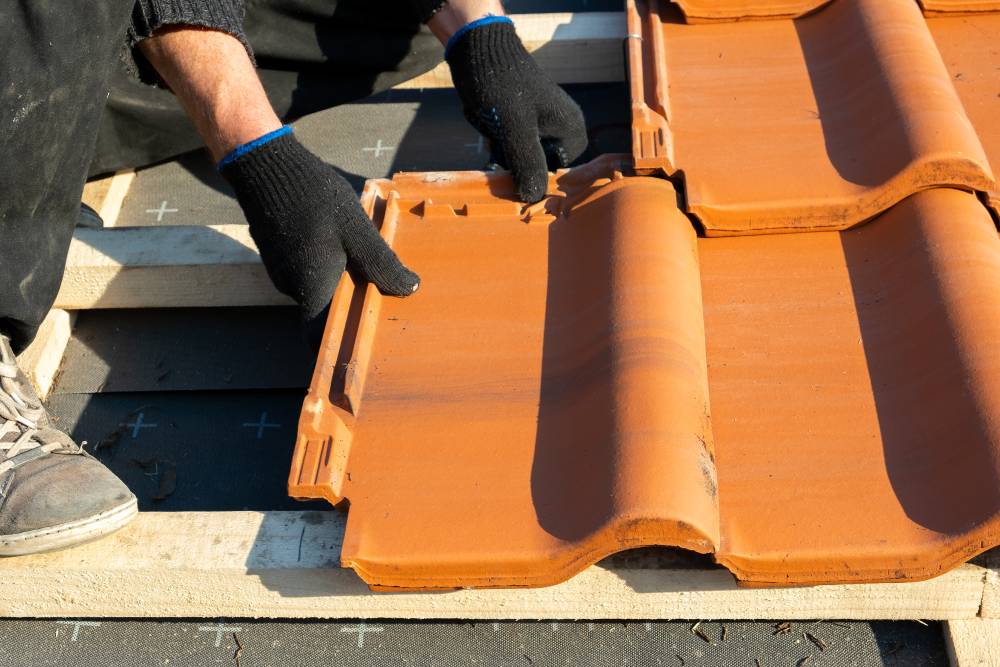
A tile roof installation can dramatically enhance the beauty, durability, and value of your home. Known for their long lifespan and distinctive appearance, tile roofs have become a popular choice for homeowners who want both style and performance.
However, installing a tile roof is a complex project that requires professional planning, precise workmanship, and the right materials. Understanding the process, costs, and benefits is essential before committing to this type of roofing system.
Why Choose a Tile Roof?
Tile roofs offer several compelling benefits that make them a worthwhile investment. One of the primary advantages is longevity.
While asphalt shingles typically require replacement every 15 to 20 years, properly maintained tile roofs can endure for 50 years or longer. This durability is especially important in regions that experience frequent weather changes or harsh conditions, as it reduces the long-term maintenance costs associated with roof repairs and replacements.
In addition to durability, tile roofs provide exceptional fire resistance. Many tile materials, including clay and concrete, are non-combustible. This adds a layer of safety to your home, particularly in areas prone to wildfires or high heat. Tile roofs are also resistant to rot, insects, and other common roofing hazards. This makes them a low-maintenance option for homeowners seeking long-term reliability.
Aesthetic appeal is another key reason homeowners choose tile roofing. Available in a variety of colors, styles, and profiles, tile roofs can complement virtually any architectural design, from Mediterranean and Spanish-style homes to contemporary and modern residences. This versatility allows homeowners to enhance curb appeal and potentially increase property value.
Understanding the Tile Roof Installation Process
Installing a tile roof requires more attention than many traditional roofing materials. The process begins with a thorough assessment of the existing roof structure. Tile roofs are heavier than asphalt or metal options, and the roof must support this added weight. Structural reinforcements may be necessary in some cases to support a safe and stable roof.
Next, the roof deck is prepared. This includes installing underlayment to act as a moisture barrier and protect your home from leaks. The underlayment must be applied carefully, as improper placement can allow water intrusion and long-term damage.
After preparation, the tiles are installed with precision. Tiles are laid in specific patterns and fastened with nails or clips, maintaining consistent alignment. Attention to detail is critical because misaligned tiles can compromise roof performance and appearance. Flashing, ridges, and valleys are also installed correctly, creating a fully functional and weather-resistant system.
Types of Roof Tiles
Homeowners considering a tile roof installation can choose from several materials. Clay tiles are traditional, offering rich colors and natural durability. They resist fire, rot, and insects and maintain their color over decades.
Concrete tiles provide similar durability at a generally lower cost. Concrete can be shaped and colored to fit many architectural styles.
Synthetic or composite tiles are lighter and easier to handle during installation. While their lifespan may be shorter than that of clay or concrete, these tiles reduce stress on the roof structure and can lower labor costs. Each material has different costs, installation requirements, and maintenance needs, so professional guidance helps homeowners select the best option.
Cost Factors for Tile Roof Installation
Understanding the costs involved in a tile roof installation is critical for planning and budgeting. Several factors influence the total expense.
Material choice is one of the largest determinants; clay and concrete tiles generally cost more than synthetic alternatives. Additionally, the complexity of your roof design, including slopes, valleys, and dormers, can increase labor requirements and overall costs.
Labor is another significant factor. Tile roof installation requires experienced installers familiar with the weight, layout, and securing methods of each tile type. While hiring less experienced labor may seem like a way to save money, improper installation can lead to leaks, cracked tiles, and structural damage.
Other considerations include underlayment quality, flashing materials, and any structural reinforcement needed to support the tile roof. Each of these elements contributes to a reliable, long-lasting installation and protects your investment for decades.
It’s also important to factor in potential long-term savings when evaluating costs. A higher-quality tile and professional installation may have a larger upfront price but can significantly reduce maintenance and replacement expenses over the roof’s lifespan. Considering both immediate costs and long-term value ensures you make an investment that protects your home and your budget.
Maintenance Considerations
Tile roofs are generally low-maintenance but still require periodic inspections to maintain their long-term performance. Homeowners should examine tiles for cracks, chips, or displacement, clean debris from valleys and gutters, and inspect flashing around chimneys, vents, and roof edges. Regular maintenance prevents small issues from turning into costly repairs and helps extend the roof’s lifespan significantly.
Because tile roofs are heavy and installation is complex, attempting repairs without professional expertise can be hazardous. Routine inspections allow early detection of hairline cracks, loose tiles, or broken underlayment before these problems escalate.
Homeowners should also check for moss, algae, or lichen growth, which can trap moisture and accelerate wear. Properly cleaning the roof surface, removing leaves and debris, and clearing gutters guarantees that water flows freely and does not damage underlayment or flashing.
Professional roofers can also perform preventive measures, such as reinforcing weak areas, replacing damaged tiles, and applying protective coatings where appropriate. Seasonal inspections, especially after storms or heavy snow, help identify stress points and maintain structural integrity.
Working with experienced professionals ensures that all maintenance tasks are performed safely, accurately, and efficiently. This gives homeowners confidence that their tile roof remains durable, functional, and visually appealing for decades.
Longevity and Durability of Tile Roofs
One of the primary reasons homeowners invest in a tile roof installation is longevity. Clay and concrete tiles can last 50 years or more, significantly outlasting asphalt shingles and many other roofing materials. This long lifespan makes tile roofs a smart investment, especially for homeowners who plan to stay in their homes for decades or want to increase resale value. A roof that retains both its functionality and appearance over time reduces the need for frequent replacements, saving money in the long run.
Durability is another standout feature of tile roofs. The materials resist fire, rot, insect damage, and harsh weather conditions. This is particularly important in regions that experience heavy rain, wind, or seasonal temperature fluctuations.
Unlike other roofing materials that may degrade over time, properly installed tiles maintain their structural integrity and aesthetic appeal for decades. However, these benefits are fully realized only when the installation is done correctly. Small mistakes during installation, such as improper underlayment or misaligned tiles, can compromise the roof’s performance and lead to costly repairs.
Energy Efficiency and Insulation Benefits
Tile roofs are not only durable and visually appealing, but they also provide notable energy efficiency advantages that can impact your home’s comfort and operating costs. The thermal mass of clay and concrete tiles allows them to absorb heat during the day and release it slowly at night.
This natural temperature regulation helps maintain more consistent indoor temperatures, reducing the workload on your heating and cooling systems. Over time, this can translate to lower energy bills, especially during hot summer months and cold winter nights.
Some modern tiles go a step further with reflective or “cool roof” coatings. These coatings are designed to reflect more sunlight and absorb less heat, keeping your home cooler even in direct sun exposure. In combination with proper attic ventilation, this can significantly improve energy efficiency while enhancing comfort inside your home.
Beyond temperature control, tile roofs also provide effective sound insulation. Their density and layered installation help dampen external noise from rainstorms, wind, and everyday environmental sounds. For homes in busy neighborhoods or near roadways, this reduction in noise contributes to a quieter, more peaceful living environment.
The combination of energy savings and sound insulation makes tile roofing a practical investment that enhances both the comfort and value of your home.
Regional Considerations for Tile Roofs
While tile roofs are widely recognized for their durability and long lifespan, local climate and environmental conditions should heavily influence your decision-making process. In areas with heavy snowfall, frequent freeze-thaw cycles, or strong winds, the roof structure must support not only the weight of the tiles but also additional loads from snow, ice, and accumulated debris.
Installing a tile roof without accounting for structural capacity can place significant stress on the home’s framework and may result in long-term structural damage. Proper drainage is equally important. Snowmelt, rainwater, and runoff must be effectively directed away from the roof surface and underlying structure to prevent leaks, water infiltration, ice dams, and potential damage to gutters and fascia over time.
Flashing, which is metal strips installed at roof edges, valleys, and around chimneys or vents, must be carefully integrated to seal these vulnerable areas. Without proper attention to these details, even the most durable tiles may fail to protect your home effectively.
Local building codes and permit requirements can also impact a tile roof installation. Different municipalities may have specific regulations regarding roof weight, fire resistance, ventilation, and storm preparedness.
Professional roofing contractors are familiar with these rules and can manage necessary inspections, approvals, and compliance details. This not only ensures your roof is built to code but also saves homeowners time, effort, and potential fines or costly rework.
Finally, regional weather patterns influence material choice. Clay tiles are ideal for warm, arid regions, whereas concrete tiles are better suited for locations that experience significant rainfall or heavy snow.
Working with a knowledgeable contractor helps you select the right tile material, installation techniques, and structural reinforcements for your home. This careful planning ensures the roof performs reliably, handles local climate challenges, and maintains its durability and appearance for many decades.
How Monastery Roofing LLC Can Help
At Monastery Roofing LLC, we specialize in tile roof installation for homeowners who want a durable, long-lasting, and visually stunning roof. With over 15 years of experience, our family-owned business provides personalized service from start to finish. We guide you through every step of the process, including material selection, structural evaluation, and cost considerations, so you can make an informed decision that balances aesthetics, durability, and budget.
Choosing a tile roof is a major investment, and it’s one that deserves expert guidance and professional installation. Let Monastery Roofing LLC help you achieve a roof that combines style, durability, and energy efficiency.
Contact us today to schedule a consultation or request a quote, and let us provide a tile roof that will protect your home for decades to come!