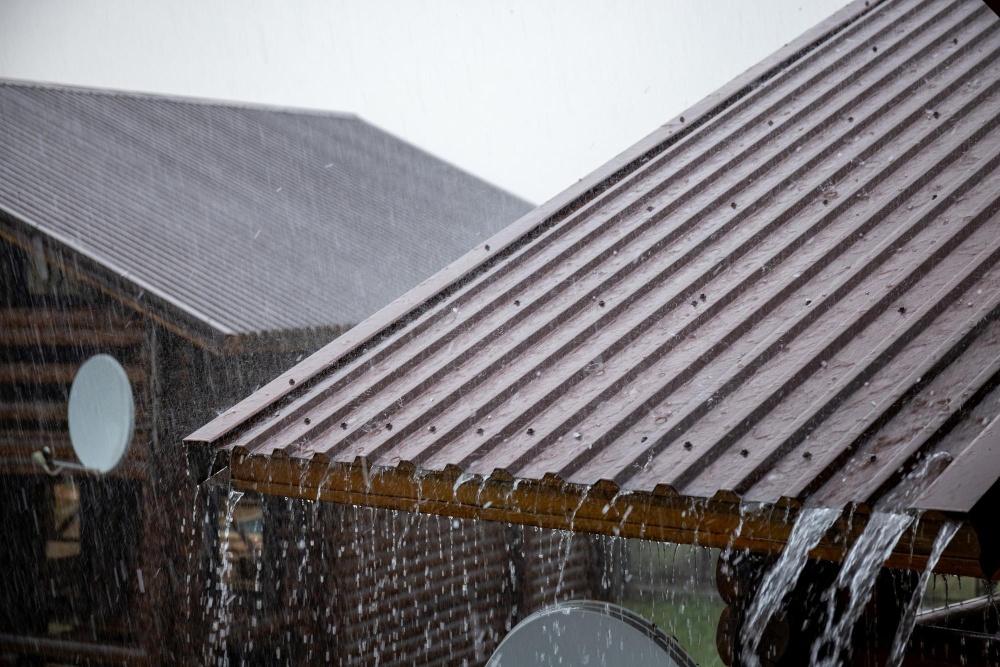
Quick Summary
Roofing work generally cannot continue in the rain because moisture affects both safety and the quality of installation. Wet conditions can damage underlying materials, prevent proper sealing, and increase the risk of accidents for workers. Even light rain can compromise how roofing materials bond, leading to issues like leaks over time. While minor tasks may continue in mild conditions, full installations are usually paused until surfaces are dry. Delays due to weather ultimately help ensure a safer process and a longer-lasting roof.
If you have a roofing project scheduled, you might wonder if roofers can work in the rain or if the job needs to stop. Weather plays a big role in roofing, and even light rain can change how a project moves forward. Homeowners often expect work to continue, especially with tight schedules, but roofing is not a task that works well with wet conditions.
We have seen how weather impacts both safety and long-term results. A roof is your home’s main layer of protection, so every step during roofing repair and installation matters. Working in the wrong conditions can affect the final outcome, even if the job looks complete from the outside.
Understanding how rain affects roofing work will help you set the right expectations and avoid costly mistakes later on.
Why Roofing and Rain Do Not Mix Well
Roofing projects involve removing old materials and exposing the structure underneath. Once that surface is open, it becomes vulnerable to the elements. Rain can quickly turn a controlled job site into a risky situation.
Water can soak into the wooden decking beneath the shingles. That moisture does not always dry out immediately, which can create problems over time. Even a small amount of trapped moisture can lead to mold, rot, or weakened structural support.
Roofing materials also react poorly to water during installation. Shingles need a clean and dry surface to bond properly. If that bond is compromised, the roof may not perform as expected. Problems might not show right away, but they can appear months later.
Safety Concerns for Roofing Crews
A roof is already a dangerous place to work. Add rain into the mix, and the risks increase significantly. Wet surfaces become slippery, which raises the chance of falls or injuries.
Roofing crews rely on steady footing to carry materials and use tools. Rain can make it harder to maintain balance, especially on steep slopes. Even experienced workers face higher risks when conditions are wet.
Professional roofing teams take safety seriously. When weather conditions are not ideal, stopping work is often the smarter choice. Protecting workers is just as important as protecting the home.
What Happens if It Starts Raining During a Job
Weather can change quickly, and sometimes rain begins after a project has already started. When that happens, experienced crews act fast to protect the exposed areas.
The first step is to cover the roof with tarps or protective barriers. This helps keep water from entering the home. Crews may also install temporary underlayment to create a short-term shield.
Work usually pauses until conditions improve. Once the rain stops, the crew will check for any moisture before continuing. If the decking has absorbed water, it may need time to dry before installation resumes. Taking these steps helps prevent long-term damage and keeps the project on track.
Can Roofers Work in Light Rain?
Homeowners often ask about lighter weather conditions and if work can continue. While heavy rain clearly stops a project, lighter rain still creates challenges.
The question of whether roofers can work in light rain depends on several factors, including the type of roofing material and how far along the project is. Even light moisture can affect how materials bond and perform.
Some tasks, like inspections or minor repairs, may continue in mild conditions. Full installations, however, usually require dry surfaces. Contractors prefer to wait rather than risk compromising the roof. Short delays are often better than dealing with issues that come from rushed work.
The Impact of Wet Materials on Roof Quality
Roofing materials are designed to perform in dry conditions during installation. When they are exposed to water too early, their effectiveness can decrease.
Shingles may not seal correctly if moisture is present. This can leave small gaps where water can enter later. Over time, these gaps can lead to leaks and interior damage.
Underlayment also plays a key role in protecting the roof. If it becomes wet before being properly secured, it may not act as a reliable barrier. That weakens the entire roofing system.
A roof is made up of layers working together. If one layer fails due to moisture, the whole system can suffer.
How Professional Roofers Plan Around Weather
Roofing projects are often scheduled with weather in mind. Crews monitor forecasts closely and plan work during favorable conditions. This reduces the chance of unexpected delays.
When rain is expected, adjustments are made to protect the home. Materials are staged carefully, and exposed areas are minimized. Crews may complete smaller sections at a time to limit risk.
Planning also includes having protective equipment ready. Tarps, barriers, and fast-install underlayment help manage sudden changes in weather. These steps reflect a commitment to doing the job properly rather than rushing through it.
Why Delays Can Be a Good Thing
Homeowners sometimes feel frustrated when a project is paused due to rain. It can disrupt schedules and extend timelines. Still, a delay often protects the quality of the finished roof.
Working in poor conditions can lead to hidden problems. These issues may not appear right away but can grow over time. Repairs can end up costing more than the original delay.
Waiting for better weather allows the installation to be done correctly. It also helps the roof last longer and perform as intended. A short pause today can prevent major repairs in the future.
Protecting Your Home During Rain Delays
Even when work stops, your home should remain protected. Professional crews take steps to keep everything secure while waiting for better conditions.
Tarps are used to cover exposed sections and keep water out. Open areas are sealed as much as possible to prevent leaks. Crews may also secure loose materials to avoid wind damage.
Once the rain passes, the roof is inspected before work resumes. This step helps catch any moisture issues early. Homeowners can feel more at ease knowing these precautions are in place.
The Role of Experience in Roofing Projects
Not all roofing teams handle weather challenges the same way. Experience plays a major role in how a project is managed during changing conditions.
A skilled team knows when to continue and when to pause. They understand how materials react to moisture and how to protect the structure underneath.
At Monastery Roofing, we have spent over 15 years working on roofs in different conditions. As a family-run business, we focus on consistent quality and reliable workmanship.
We do not rely on subcontractors. Our own crews handle every project, which allows us to maintain better control over each step. This approach helps us deliver results that stand the test of time.
We also stand behind our work with a workmanship lifetime warranty. That level of commitment reflects the confidence we have in how we complete each job.
What Homeowners Should Keep in Mind
Roofing is not just about finishing the job quickly. It is about doing the job right so your home stays protected for years.
Weather plays a big role in that process. Rain, even in small amounts, can affect both safety and quality. Understanding this helps you set realistic expectations for your project.
If your roofing schedule changes due to rain, it is often a sign that the crew is prioritizing quality. That decision can make a big difference in how well your roof performs over time.
Communication is also important. A reliable contractor will keep you informed about delays and next steps. This helps you stay confident in how your project is handled.
What Homeowners Should Keep in Mind
Rain and roofing do not work well together. While some minor tasks may continue in light conditions, full installations usually require dry weather. Safety risks, material performance, and long-term durability all depend on proper conditions.
Taking the time to wait for better weather can protect both your home and your investment. It also allows the roofing system to perform as expected without hidden issues.
At Monastery Roofing, we approach every project with care and attention to detail. Our focus stays on quality, not speed, so your roof is built to last. If you are planning a roofing project or have questions about scheduling around weather, we are here to help you make the right call.
FAQs
Will my roof leak if it rains during installation?
If a project is caught by unexpected rain, professional crews act quickly to protect the exposed areas. We use tarps and temporary barriers to keep water out. Once the rain stops, we inspect the surface before continuing work.
How do roofers protect a home if rain is in the forecast?
We plan projects around weather conditions and limit how much of the roof is exposed at one time. Protective coverings are kept on-site, and materials are secured to prevent water damage if conditions change.
Does rain affect how long a new roof will last?
Yes, moisture during installation can impact how well materials perform over time. Shingles may not seal properly, and trapped moisture can lead to future issues. Waiting for dry conditions helps the roof last longer.