Quick Summary
Concrete tile roof vs. clay tile choices come down to how each material performs under coastal Maine conditions, especially freeze and thaw cycles, moisture exposure, and long-term structural stress. Concrete tiles offer dense, adaptable strength, while clay tiles provide natural rigidity and strong resistance to water absorption. Both systems differ in weight, durability, and long-term maintenance expectations, which directly influence installation planning and structural requirements. Knowing these differences helps homeowners make informed decisions based on climate demands, lifespan expectations, and overall roofing performance in tough coastal environments.
Concrete tile roof vs. clay tile decisions frequently have to take into account climate compatibility, especially in regions with freeze and thaw cycles like Freeport, ME, where roofing systems must withstand shifting seasonal stress throughout the year.
Concrete tiles are manufactured using a blend of cement, sand, and water, forming a dense, heavy-duty surface that offers strong structural performance while adapting well to different design requirements.
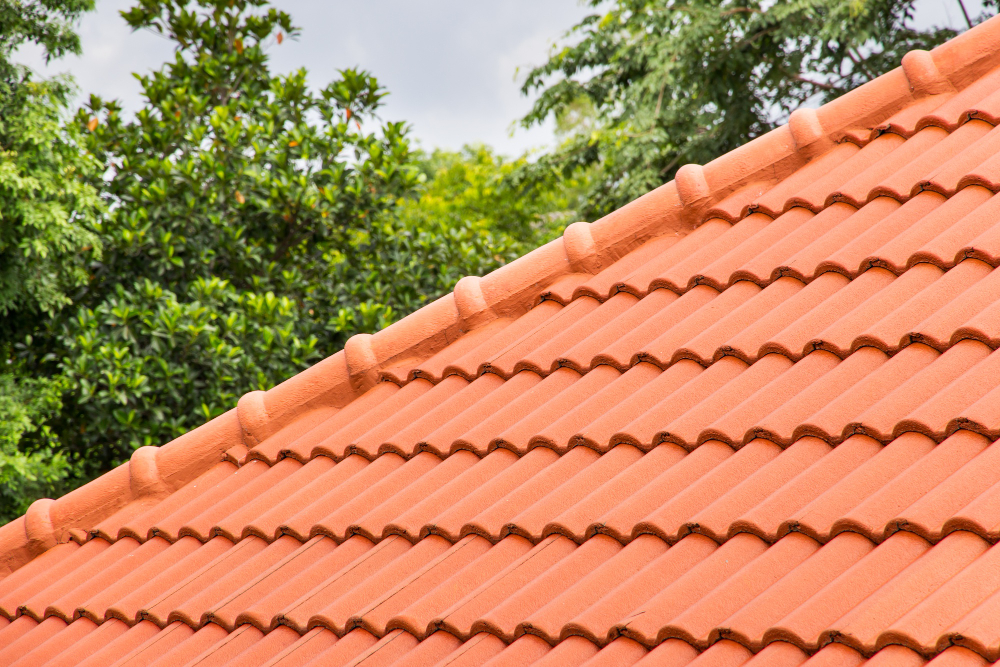
Clay tiles are created from natural earth materials that are kiln-fired to achieve rigidity, producing a roofing system known for long-term stability and consistent color retention.
Homeowners checking into roof repair and installation in Maine may want to compare both systems to see how each performs against moisture, wind, and snow load conditions common in coastal environments.
Interest in tile roofing installation continues to grow in coastal Maine communities as homeowners evaluate how different tile systems perform under long-term exposure to salt air, seasonal storms, and structural load demands.
Concrete tiles tend to absorb more moisture than clay, which can influence performance over time, particularly during colder months when freeze and thaw cycles place additional stress on roofing materials.
Interest in tile roofing installation continues to grow in coastal communities due to durability and aesthetic value, although installation requirements differ in underlayment preparation and fastening techniques.
Many property owners also consult an asphalt roofing contractor in Maine when comparing roofing systems, since asphalt serves as a practical reference point for cost, labor expectations, and installation simplicity.
This comparison helps clarify whether tile roofing matches long-term investment goals and structural requirements. Before making a final decision, homeowners should get a roof estimate to better grasp pricing, reinforcement needs, and project scope.
Local roofing conditions in Freeport, ME add another layer of consideration, since salt air exposure, coastal winds, and seasonal storms can place ongoing stress on exterior building materials and influence long-term durability outcomes.
Material Composition and Structural Behavior
Concrete tiles are heavier due to their cement-based composition, which provides strong durability but also increases load demands on the roof structure, making pre-installation evaluation essential.
Clay tiles are lighter in comparison, yet still highly durable due to their kiln-fired manufacturing process that increases rigidity and long-term structural integrity.
Concrete materials are more porous, meaning they can absorb moisture if not properly sealed, which may impact performance in regions with repeated freeze and thaw cycles.
Clay tiles naturally resist water absorption more effectively, helping them maintain stability under fluctuating coastal conditions.
Because of these differences, structural reinforcement is often required when transitioning from lighter roofing systems to tile-based systems, which can affect project timelines, cost planning, and overall installation complexity.
Climate Performance in Freeport Conditions
Freeport weather conditions include coastal wind exposure, seasonal snow accumulation, and frequent temperature shifts, all of which influence roofing performance over time.
Concrete tiles perform well under high wind conditions due to their weight, which helps reduce uplift during storms and periods of strong coastal gusts.
However, their moisture absorption potential can become a concern during extended cold periods, especially when freeze and thaw cycles repeatedly stress the material.
Clay tiles offer strong resistance to moisture, which helps them perform reliably in wet conditions, although they may become more brittle in extreme cold if subjected to impact stress.
Both systems benefit from proper ventilation and underlayment design, which help regulate moisture beneath the surface and support long-term structural stability across changing seasonal conditions.
Installation for Tile Roofing Systems
Installation for both concrete and clay tile systems requires experienced handling due to material weight, layout precision, and structural reinforcement needs.
Concrete tiles typically allow slightly more flexibility during installation because of consistent manufacturing standards that simplify alignment.
Clay tile installation requires more precision since improper handling can lead to cracking or surface stress, making careful placement essential throughout the process.
Secure fastening systems are necessary for both materials to ensure resistance against wind uplift and shifting during storms.
Before installation begins, roof framing must be evaluated to confirm load capacity, as insufficient structural support can compromise long-term performance and increase maintenance risks over time.
Longevity and Maintenance Expectations
Concrete tile roofing systems can deliver long service life when properly maintained, though periodic sealing may be necessary to reduce moisture absorption and maintain surface integrity over time.
Clay tile roofs often retain both structure and appearance for longer periods due to their natural resistance to fading and water penetration.
Maintenance requirements for both systems remain relatively low compared to many other roofing types, though regular inspections are still important for identifying underlayment wear, flashing concerns, or isolated tile damage.
Storm events, falling debris, and seasonal weather fluctuations remain the most common contributors to maintenance needs, making early attention to minor issues important for extending system lifespan.
Cost and Long-Term Value
Concrete tile systems generally offer lower upfront cost compared to clay due to manufacturing methods and material availability. Clay tiles typically require a higher initial investment because of kiln firing processes and raw material refinement.
Long-term value depends on things like durability, maintenance frequency, and compatibility with the home’s structure.
Clay systems often provide extended longevity, while concrete tiles deliver strong performance at a more accessible price point, giving homeowners flexibility based on budget and performance expectations.
Aesthetic Differences and Home Design Impact
Concrete tiles provide a wide range of colors and surface finishes due to flexible manufacturing processes, making them suitable for both modern and traditional architectural styles.
Clay tiles offer a more natural, classic appearance that often deepens in tone over time, heightening visual character.
Their consistent aesthetic appeal makes them especially popular in heritage or Mediterranean-style designs. Both options greatly boost curb appeal, though final results depend on roof pitch, home structure, and surrounding environmental context.
Environmental Performance and Material Sustainability
Clay tiles are made from natural earth materials, which makes them highly recyclable and long-lasting, reducing replacement frequency over time.
Concrete tiles require more energy during production but still offer strong durability that helps minimize long-term material turnover.
Sustainability outcomes often depend more on lifespan and maintenance cycles than production footprint alone, since longer-lasting systems reduce overall environmental impact over time.
Choosing Between Concrete and Clay Tile Roofing
Choosing between concrete and clay tiles depends on structural capacity, budget considerations, and exposure to regional climate conditions.
Concrete tiles are often preferred for balanced performance and cost efficiency, while clay tiles appeal to homeowners focused on long-term durability and natural aesthetics.
Coastal Maine conditions, including freeze and thaw cycles, wind exposure, and moisture levels, play a big part in determining which system performs best over time.
Professional evaluation is needed to confirm structural readiness and make sure the selected roofing system meets long-term performance expectations.
Monastery Roofing Perspective and Client Value
We help homeowners approach roofing decisions with clarity, focusing on practical performance and long-term reliability rather than surface-level comparisons. Every project we complete reflects our commitment to precise installation and material integrity.
Our work is handled by in-house crews, allowing us to maintain consistent quality control from planning through completion. This ensures that each roofing system is installed with careful attention to structural requirements and environmental conditions.
We stand behind our workmanship with a lifetime warranty, reinforcing our commitment to durable, dependable results.
If you’re considering roofing options or need guidance for your property, we’re here to help you make the best decision. Reach out to Monastery Roofing to discuss your project.
FAQs
Clay tiles generally last longer due to lower moisture absorption and stronger resistance to freeze and thaw cycles.
Yes, both concrete and clay tile systems are significantly heavier and require structural evaluation before installation.
Yes, individual tiles can typically be replaced without requiring full roof replacement when damage is isolated.