Choosing between asphalt shingles vs. metal roofing is a significant decision for homeowners. The right choice depends on your goals for cost, longevity, maintenance, and energy efficiency. Both materials have strengths, but understanding their key differences can guide you to the best solution for your home.
Understanding Initial Costs and Long-Term Value
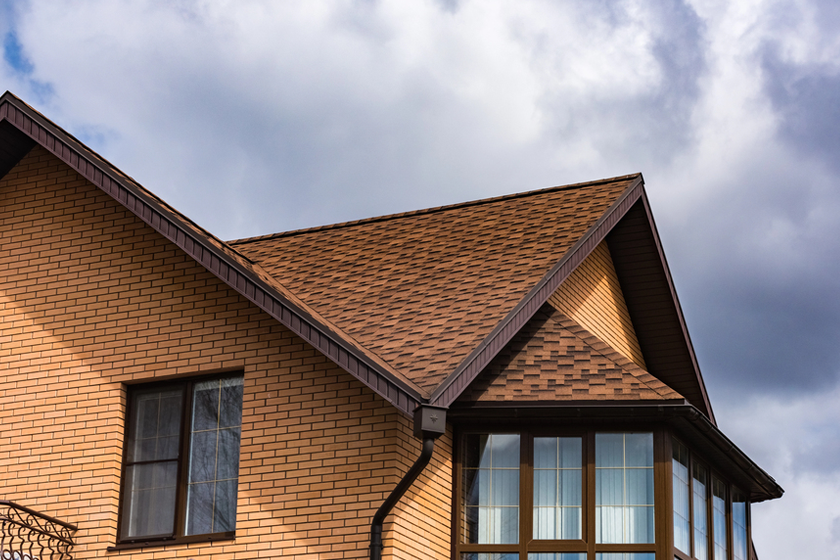
Asphalt shingles have long been favored for their affordability. Homeowners looking to keep upfront expenses low often lean toward this option. However, the lifespan of asphalt shingles ranges from 15 to 30 years, meaning replacement might be necessary sooner than you expect.
Metal roofing, while carrying a higher initial cost, offers longevity that far surpasses asphalt. A properly installed metal roof can last 40 to 70 years. Over time, this durability offsets the initial investment, reducing the need for replacements and lowering overall expenses. Homeowners aiming for long-term savings may find metal roofing the more valuable option.
Durability Against Weather and Environmental Factors
Maine’s weather can be unpredictable, making durability a top concern. Metal roofing stands out for its resilience. It handles high winds, hail, and even fire with ease, making it a strong choice for areas prone to extreme conditions.
On the other hand, asphalt shingles, while reliable, can be vulnerable to damage from severe weather or prolonged exposure to the elements. Over time, shingles may curl, crack, or lose granules, requiring more frequent repairs. Homeowners who prioritize long-lasting protection might consider metal roofing’s superior resistance to environmental wear.
Maintenance Needs Over Time
Metal roofs demand little upkeep. Annual inspections are usually enough to keep them in top shape. Minor repairs are rare and often involve simple fixes.
In contrast, asphalt shingles require more attention. Issues like curling or cracking can lead to leaks if not addressed. Routine maintenance, including replacing damaged shingles, becomes necessary over the lifespan of the roof. For those who prefer a low-maintenance option, metal roofing may offer peace of mind.
Energy Efficiency and Environmental Impact
Metal roofs are highly reflective, which helps reduce heat absorption and cooling costs. This makes them especially appealing during warm seasons. Additionally, metal roofing is fully recyclable, reducing waste and promoting sustainable practices.
Asphalt shingles tend to absorb heat, which can raise cooling costs in warmer weather. While newer shingles are designed to reflect more heat, they still contribute to landfill waste when replaced. Homeowners interested in greener choices may appreciate the recyclability of metal roofing.
Making the Right Choice for Your Maine Home
When deciding between asphalt shingles and metal roofing, consider your budget, long-term goals, and local climate. Asphalt shingles may suit those seeking affordability and shorter-term solutions. Metal roofing is ideal for homeowners focused on durability, low maintenance, and long-term savings.
In Maine, working with experienced professionals is vital for a successful roofing project. A skilled contractor can guide you through the decision-making process and help you achieve a roof that meets your needs.
Let Monastery Roofing Be Your Trusted Partner
At Monastery Roofing, we bring years of experience in both asphalt and metal roofing. As a family business rooted in Maine, we understand the unique demands of your home. Our team’s expertise ensures you get the best solution, no matter your roofing choice.
Reach out to us for a free estimate and see how we can help you create a safe and comfortable home.