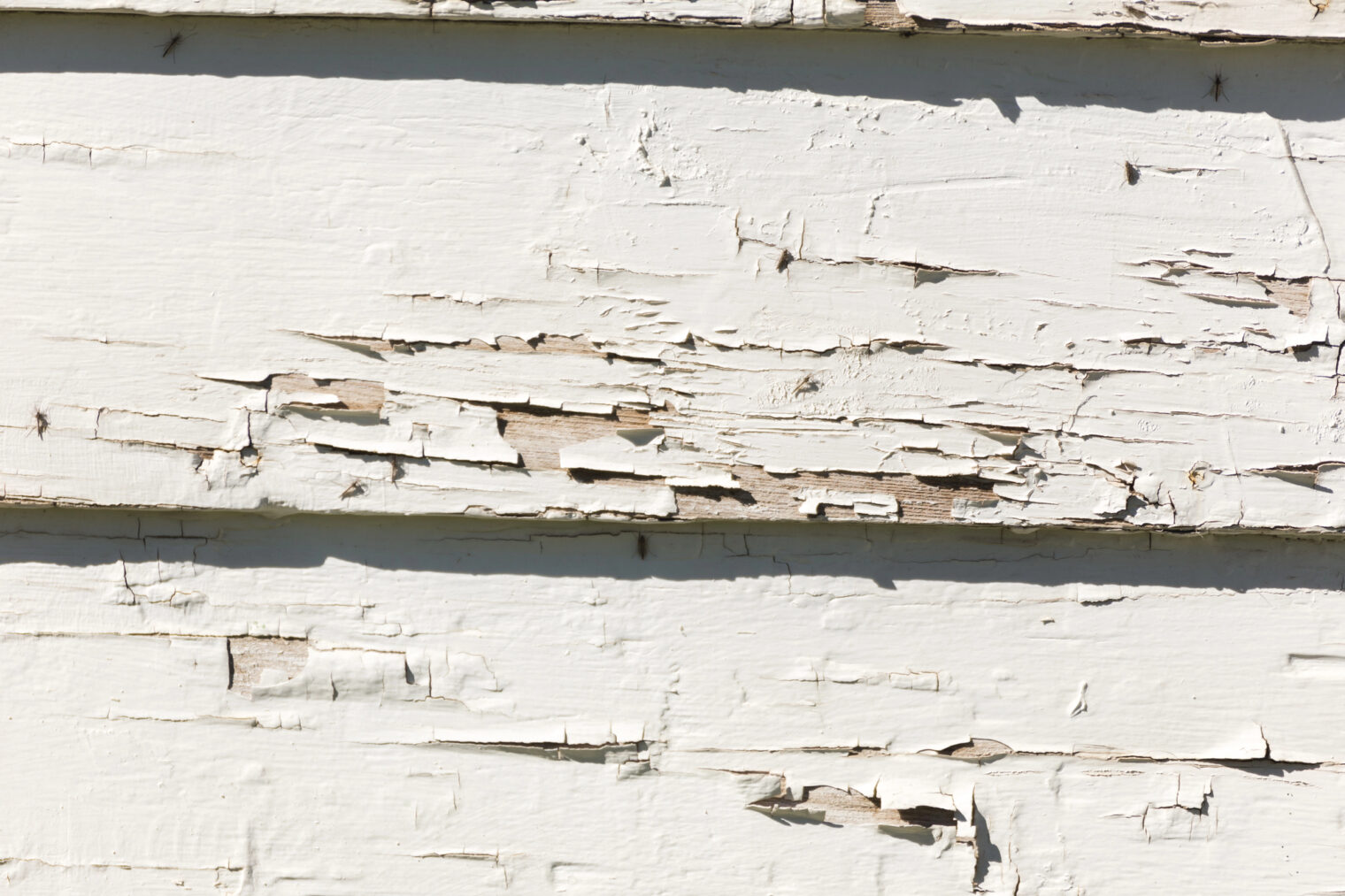
Fiber cement siding issues often frustrate homeowners who expect this material to last without trouble. While durable and versatile, it can still face challenges that affect its performance. Mismanagement, poor installation, or external factors can lead to problems that disrupt its functionality and aesthetic appeal. These challenges may start small but can quickly escalate into significant concerns requiring attention.
Knowing the potential risks helps homeowners protect their investments and prevent costly repairs. Here are some common issues that affect the durability and performance of fiber cement siding.
Cracking Issues Affecting Fiber Cement Siding Durability
Cracking is one of the most common problems with fiber cement siding. Hairline fractures may develop due to improper handling, impact damage, or natural expansion and contraction over time. Small cracks might seem insignificant but can allow water to seep in, weakening the structure and causing further deterioration. These issues often arise in regions with fluctuating weather conditions, where temperature extremes put additional stress on the material.
Some cracks result from manufacturing defects, while others come from mishandling during transport or installation. Heavy objects, such as hail or debris, can also chip or crack the surface, reducing its lifespan. Regular inspection and timely repairs are necessary to avoid structural damage and maintain its integrity.
Moisture Damage Risks with Fiber Cement Siding
Fiber cement siding is not immune to moisture-related problems. Prolonged exposure to water can lead to swelling, warping, or mold growth. Poor installation techniques, such as improper caulking or inadequate sealing, increase the likelihood of water infiltration. Persistent moisture can compromise the material’s durability and harm the underlying structure of the property.
In some cases, faulty drainage systems contribute to water pooling around the base of the siding, accelerating damage. Homeowners should monitor their siding for visible signs of swelling, discoloration, or warping to catch moisture-related problems early. Proper sealing and maintenance reduce these risks and extend the siding’s lifespan.
Potential Fading Problems in Fiber Cement Colors
Fiber cement siding offers a range of color options, but fading remains a concern for many homeowners. Prolonged sun exposure can cause pigments to lose vibrancy, leaving the siding looking dull and aged. Lower-quality paint finishes are more prone to fading, particularly in areas with intense sunlight or extreme weather conditions.
Another contributing factor is the use of improper cleaning agents that strip the protective coating on the siding. Maintaining the original color often requires repainting or touch-ups over time. Choosing high-quality paint and following recommended cleaning practices minimizes fading and keeps the siding looking vibrant for longer.
Warping Issues from Incorrect Siding Installation Practices
Warping is a common issue caused by incorrect installation practices. Installing fiber cement siding too tightly can restrict its natural expansion and contraction, leading to visible distortions in the material. Warping often occurs when fasteners are placed improperly, causing uneven stress on the siding panels. This issue can make the siding lose its aesthetic appeal and weaken its durability over time.
Another contributing factor is insufficient ventilation or poorly designed underlayment, which traps moisture and encourages warping. These problems can worsen in humid or rainy climates. Ensuring proper spacing, alignment, and adherence to manufacturer guidelines during installation prevents warping and ensures the siding maintains its intended performance.
Fiber Cement Siding Susceptibility to Pest Damage
Fiber cement siding is resistant to many types of pests, but it is not completely immune. Termites, ants, and other insects can exploit gaps or cracks in the siding to access the underlying structure. While the material itself is not an attractive food source for pests, the wooden elements behind the siding are vulnerable if not adequately protected.
Rodents can also pose a problem by gnawing through compromised areas to create entry points into the property. Regular inspections help detect signs of pest activity early, such as nests, droppings, or damaged areas. Sealing all openings and working with pest control professionals minimizes the risk of infestation and protects the integrity of the siding.
Difficulties With Repainting Fiber Cement Siding Surfaces
Repainting fiber cement siding can be challenging due to its texture and composition. The porous nature of the material requires thorough cleaning and proper priming before applying new paint. Neglecting these steps can result in uneven coverage or paint peeling over time. Additionally, the cost of high-quality exterior paint and labor can make repainting a significant investment.
Weather conditions also play a role in painting challenges. Painting during extreme temperatures or high humidity can cause the paint to dry unevenly or adhere poorly to the surface. Using specialized paints designed for fiber cement siding and following manufacturer recommendations ensures a smoother and longer-lasting finish.
High Costs Associated with Fiber Cement Repairs
Repairing fiber cement siding can be expensive, especially when addressing large-scale damage. The costs often include labor, materials, and additional expenses such as repainting or reinstallation of affected sections. Unlike other siding options, fiber cement repairs require skilled professionals to ensure the material retains its durability and appearance after the repair.
Factors like extensive cracking, warping, or moisture damage can increase repair costs significantly. Delaying necessary repairs only worsens the problem, leading to even higher expenses in the future. Addressing minor issues early and working with experienced contractors helps mitigate repair costs while ensuring reliable results.
Necessary Maintenance Tips for Fiber Cement Longevity
Protecting your investment in fiber cement siding requires consistent care and attention to prevent common issues and ensure durability.
- Regular Cleaning Practices
Cleaning fiber cement siding helps maintain its appearance and prevents dirt, mold, and algae buildup. Use a garden hose with a soft brush or a non-abrasive sponge to remove grime from the surface. Avoid pressure washers, as excessive force can damage the siding. Focus on areas prone to dirt accumulation, such as near gutters or at the base of the siding. Cleaning twice a year, or more frequently in high-pollution areas, keeps the siding looking fresh and prevents stains from becoming permanent. Gentle cleaning methods preserve the protective finish and extend the siding’s lifespan.
- Inspect for Cracks and Gaps
Periodic inspection identifies cracks, gaps, or other imperfections that compromise the siding’s integrity. Small cracks may seem insignificant but can lead to moisture infiltration and larger structural issues. Examine the siding thoroughly at least twice a year, paying attention to corners, seams, and areas near windows and doors. Addressing minor issues with caulk or patching compounds prevents costly repairs later. Inspections after severe weather events help catch damage early, minimizing long-term effects.
- Seal and Re-Caulk Annually
Sealing and caulking are essential for keeping fiber cement siding watertight. Over time, caulking around seams, joints, and edges can deteriorate, creating entry points for water and pests. Inspect these areas annually and reapply high-quality, paintable caulk to any gaps or weakened sections. Use products specifically designed for fiber cement siding to ensure proper adhesion and durability. Properly sealed siding protects against moisture damage and maintains energy efficiency within the property.
Portland Roofing and Siding Expert and Augusta Roofing and Siding Services at Monastery Roofing
Protect your home and business with durable solutions tailored to your needs. At Monastery Roofing, we tackle challenges like cracks, warping, and moisture issues head-on, providing expert services that extend the lifespan of your siding and roofing. As a Portland Roofing and Siding Expert, we deliver top-quality materials and flawless installations that enhance curb appeal and durability. For those seeking trusted Roofing and Siding Services, our skilled team handles repairs and maintenance to prevent costly problems and keep your property secure. Contact Monastery Roofing today to experience professional care and solutions that bring you peace of mind.