Quick Summary
A credible quote follows an inspection rather than preceding one, covering the ground, the roof surface and the attic underneath. Corrective work targets specific defects, then addresses whatever allowed the fault to develop. Recurring care runs spring and fall. Written reports with dated photographs support claims and keep warranties valid.
A quote arrives for roof work and the line items read as another language. Terms including flashing, penetrations, and decking appear without explanation, and the total sits at the bottom with no obvious connection to any of them. Homeowners sign anyway, mostly out of trust. That gap between what gets billed and what gets understood is why roof repair and maintenance services carry a reputation for opacity. The work itself is far more concrete and far more logical than the paperwork ever suggests. So what is actually happening up there?
It Starts With an Inspection, Not a Quote
Any contractor handing you a price before climbing a ladder is guessing, and guesses favor the person making them. A proper assessment begins on the ground with a walk around the property, looking at gutter lines, siding, and how water leaves the building.
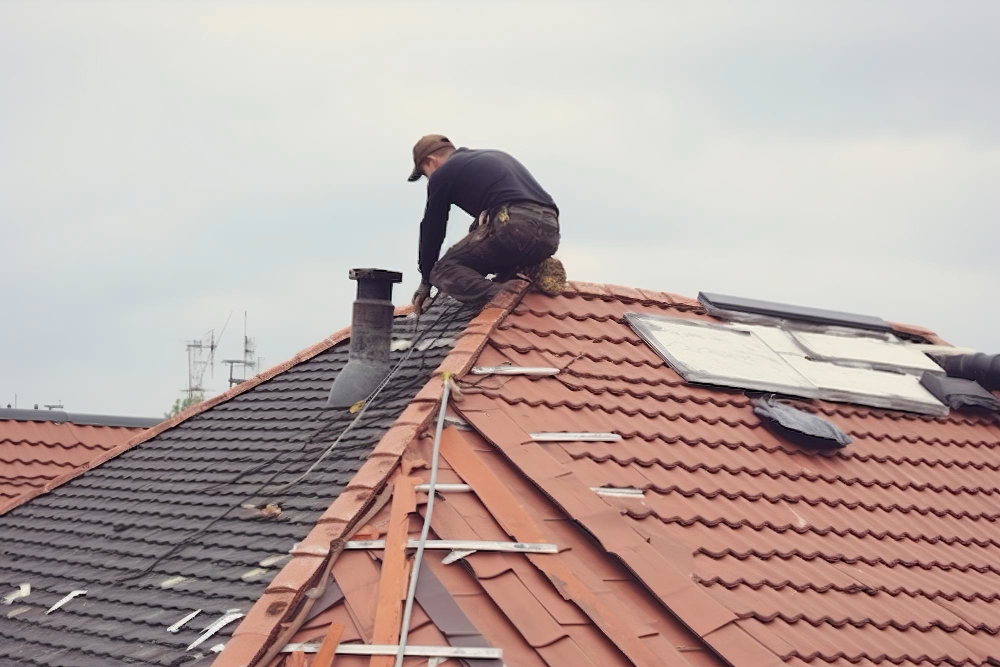
It continues on the roof surface itself, where a trained eye checks covering condition, granule loss, fastener security, and every point where something passes through the plane of the roof. That exterior pass sets the context for everything that follows.
The part most homeowners never anticipate happens indoors. A thorough assessment treats the underside of the roof as part of the picture, which means an attic visit to look for staining, compressed insulation, daylight at the eaves, and any softness in the structure.
Water travels sideways before it drips, so the wet spot on your ceiling rarely sits below the actual opening. Finding the source, rather than the symptom, is the entire point of the exercise. Photographs taken along the way give you something concrete to review afterward.
What a Repair Visit Actually Covers
Corrective work targets a specific defect rather than the roof as a whole, and the scope depends entirely on what the assessment turned up. Common items involve replacing damaged covering, resealing or refastening flashing at chimneys, walls, and skylights, and addressing the boots around vent pipes.
Flashing failures generate a surprising share of leaks, since sealant ages faster than the metal it sits against and the joint moves through every temperature swing. Getting that detail right often resolves a leak that has puzzled a household for many months.
Deeper work becomes necessary once water has already been inside for a while. Soft or delaminated decking has to come out, and the affected area gets rebuilt before any new covering goes down. Skipping that step traps moisture underneath and guarantees a return visit.
A good crew will also correct whatever allowed the problem in the first place, whether that turns out to be a ventilation shortfall, a drainage issue, or a detail handled poorly during installation. Matching new material to what already sits on the roof keeps the finished surface consistent.
What Ongoing Maintenance Service Includes
Recurring care operates on a schedule rather than a crisis, and that difference shapes everything about it. We schedule visits for spring and fall, along with a look after any severe storm, so the roof gets attention both before and after the season that stresses it hardest.
A standard program covers inspection, debris clearing from valleys and drainage paths, seam and flashing checks, tightening of loose fasteners, and treatment of moss and algae growth before it lifts material or holds moisture against the surface. Timing the visits this way catches winter damage in spring and prepares the roof again each autumn.
Minor corrections usually happen during the same visit, which is where the real value sits. A hairline crack in sealant or a single lifted edge costs very little to address while a crew is already on site. Left alone for two seasons, that same detail turns into interior damage with several trades involved.
Preventive attention interrupts the slow slide that takes most roofs out of service long before their materials were ready to quit. Costs stay predictable too, since planned attention sidesteps emergency pricing altogether.
The Parts Homeowners Don’t Expect: Gutters, Drainage, and Your Attic
Water management surrounding the roof gets folded into the scope more often than people realize. Clogged gutters back water up under the edge of the covering, and downspouts that discharge against the foundation create a separate set of problems entirely.
Clearing, realigning, and resecuring that system belongs in the same conversation as the roof surface an asphalt roofing contractor maintains itself, since the two work together as one assembly. Ice forming at a blocked edge through winter compounds the very same fault.
Ventilation and insulation receive similar attention for related reasons. Intake at the soffits paired with exhaust at the ridge keeps the underside of the deck near outdoor temperature, which controls both condensation in summer and uneven snowmelt in winter.
On low slope sections, water that still sits on the surface well after the rain has stopped signals a drainage fault worth correcting. None of these live on the shingle surface, yet all of them determine how long that surface lasts. Correcting airflow frequently solves problems that repeated work on the covering never touched.
Documentation, Photos, and the Records You Should Receive
Paperwork sounds the least interesting part of the job, though it quietly protects you more than anything else listed on the invoice. A complete visit produces a written report with dated photographs showing what was found, what was corrected, and what should be watched over the coming season.
That record settles disagreements before they start, supports an insurance claim when storm damage surfaces months later, and gives you a clear baseline for comparison at the next scheduled visit. It carries particular weight for manufacturer warranties, many of which depend on documented proof of regular upkeep and can be quietly voided by neglect a homeowner never knew was accumulating.
Written reports also make second opinions far simpler, since another professional can review the same evidence without starting from scratch. Ask for yours as a deliverable rather than a favor, since any contractor working to professional standards produces one already.
What These Services Typically Don’t Cover
Scope limits deserve the same clarity as inclusions, and a contractor who explains them upfront is showing you exactly how they operate. Corrective and preventive work addresses specific defects and slows deterioration across the wider surface, though neither can reverse a roof that has genuinely reached the end of its material life.
Structural framing problems, interior restoration after water has come through, mold remediation, and chimney masonry generally belong to other trades, even when a roofer is the first person to spot them.
Damage caused by an event your policy covers follows a separate route entirely, running through your insurer and their adjuster rather than through a service agreement. Cosmetic concerns including color variation between aged and new material also sit outside most written scopes.
Understanding those edges before signing keeps expectations aligned, and it spares you the disappointment that fuels most unhappy reviews in this trade.
Knowing Exactly What You’re Paying for
Roof maintenance and repair make more sense once you see it as a system rather than a series of unrelated charges. Every element traces back to one goal: keeping water outside the building and catching small faults while they stay small. A contractor willing to explain that logic in plain language is usually the one worth hiring.
For more than fifteen years, our family-run business has cared for roofs across Lewiston, Portland, Brunswick, and Augusta. Every project starts with a free inspection and 3D imaging, so you see the same evidence we do before deciding.
Our own crews handle the work start to finish, never subcontractors, which is how we back every job with a lifetime workmanship warranty. Alongside roof repair and installation, Monastery Roofing offers roof rejuvenation for older surfaces, gutter work, and window insulation.
Call 207-440-8503 or request your free estimate online. We will show you what your roof needs and nothing it does not.
FAQs
A complete assessment starts on the ground with a walk around the property, continues across the roof surface, and finishes in your attic. Crews check covering condition, granule loss, fasteners, flashing, and every penetration, then look underneath for staining, compressed insulation, and daylight at the eaves. Water travels sideways, so the source rarely sits above the drip.
Two visits a year suits most roofs, one in spring and one in fall. That schedule catches winter damage once the weather breaks and prepares the roof again before the cold returns. Homes with older covering, heavy tree cover, or a history of trouble sometimes warrant a third look after major storms.
Recurring care addresses defects and slows deterioration, though it cannot reverse a roof that has reached the end of its material life. Structural framing problems, interior restoration, mold remediation, and chimney masonry belong to other trades. Storm damage covered by your policy follows a separate route through your insurer rather than a service agreement.