Quick Summary
A storm damage roof insurance claim is worth filing when the damage is clearly storm-related, well documented, and costs more to repair than your deductible. Insurance typically covers sudden wind, hail, and falling-debris damage, but not gradual wear from age or neglect. Photograph the damage, get a written estimate from an experienced roofer, and report the loss quickly, since insurers expect prompt notice after severe weather. A professional inspection from Monastery Roofing gives you the documentation and honest guidance needed to decide with confidence.
Severe weather is part of life in Maine, and after a bad storm rolls through, many homeowners find themselves asking the same question: do you need to file a storm damage roof insurance claim? The honest answer depends on the extent of the damage, your policy’s deductible, and how quickly you act after the storm passes.
We have spent the past fifteen years at Monastery Roofing helping homeowners from Lewiston to Brunswick to Augusta work through this exact decision. Filing a claim is not always the right move, and knowing the difference between cosmetic wear and true storm damage can save you time, money, and a headache with your insurer.
Below, we break down how to recognize storm damage, what your policy likely covers, and the steps to take before you ever pick up the phone to call your adjuster.
Signs Your Roof Has Storm Damage
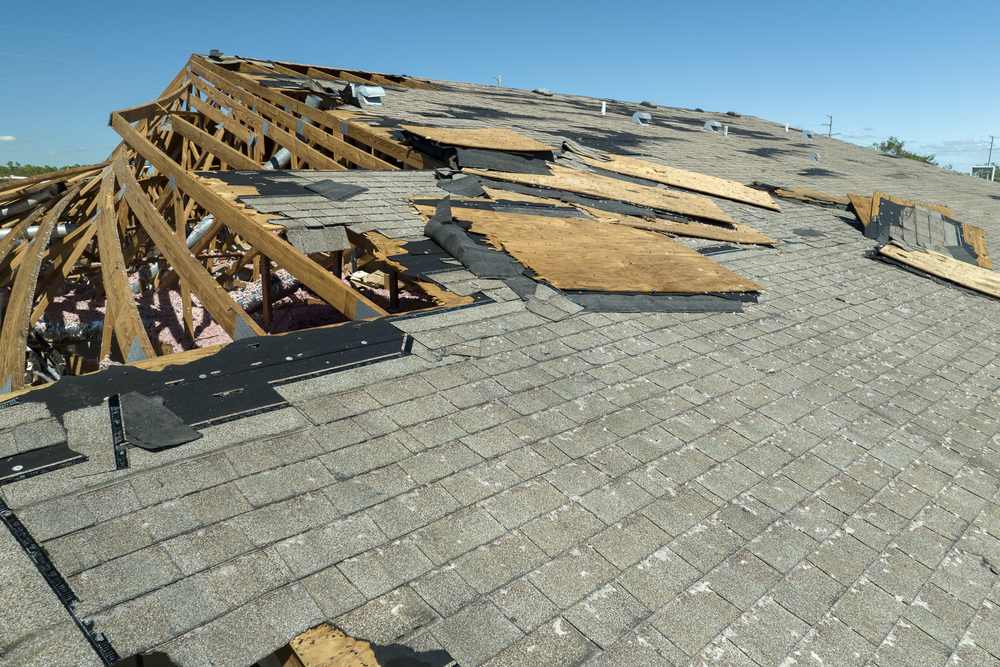
After high winds, hail, or heavy snow, walk your property and look for a few telltale signs. Missing or curling shingles, granules collecting in your gutters, dented flashing, and visible dents on metal roofing or gutters all point to storm-related damage.
Inside your home, watch for new water stains on ceilings, a musty smell in the attic, or daylight visible through the roof deck. Even damage that looks minor from the ground can indicate a bigger problem underneath the surface.
If you notice any of these signs, it is worth scheduling a professional storm damage roof inspection before deciding whether a claim is necessary.
Does Insurance Cover Roof Damage From Storm Events?
Most standard homeowners insurance policies cover roof damage caused by sudden, accidental events, whether that means wind, hail, or a falling tree. The Maine Bureau of Insurance notes that the most common policy type, the Special Form, covers all perils except those the policy specifically excludes. When homeowners ask us, “Does insurance cover roof damage from storm events?” our answer is that it depends on your policy’s language and whether the damage is classified as sudden or as gradual wear.
Gradual deterioration from age or lack of maintenance is typically excluded, which is why insurers often send an adjuster to inspect the property and confirm the true cause of the damage before approving a payout. When an inspection shows that aging shingles, rather than the storm, are the main concern, our roof rejuvenation service can help extend the life of an asphalt roof that is otherwise in sound condition.
Does Insurance Cover Storm Damage to Roof Systems Specifically?
Coverage can vary depending on the type of roofing system you have. Asphalt shingle roofs are generally the most straightforward for adjusters to evaluate, since granule loss and shingle displacement are well-documented signs of storm impact. Metal and rubber membrane roofs can also be covered, but the damage may be less visible and require a trained eye to identify dents, seam separation, or fastener issues.
So, does insurance cover storm damage to roof materials beyond asphalt? In most cases, yes, provided the damage is clearly storm-related and properly documented.
How Deductibles Affect Your Decision to File
Before filing a claim, compare the estimated cost of repairs to your policy’s deductible. The Maine Bureau of Insurance cautions that filing a claim may affect your future premiums, and when the repair cost is not much higher than your deductible, paying out of pocket may be more cost-effective in the long run. Significant damage, whether widespread shingle loss or a compromised roof deck, usually justifies a claim. This comparison is often the deciding factor in whether a storm damage roof insurance claim is worth pursuing at all, and a written estimate from an experienced roofer gives you real numbers to work with rather than guesses.
Documenting the Damage Before You Call
Well-documented claims are easier for insurers to process and harder to dispute. Take clear photos and videos of the damage from the ground, and leave closer views to a professional with the right safety equipment. Note the date of the storm and any local weather reports confirming high winds or hail, and keep a written log of when you first noticed the damage. We provide free inspections and 3D pictures of the affected areas, giving you professional documentation that strengthens your claim and gives your adjuster a clear, accurate view of the damage.
The Role of a Professional Roof Inspection
A trained roofing contractor can identify damage that is easy to miss from the ground, including lifted shingle tabs, cracked seals, and soft spots in the decking. We do not use subcontractors, so the same experienced crew that inspects your roof is the crew that would complete any resulting work, giving you consistent, accurate assessments from a team that stands behind its own findings.
What Happens After You File a Claim
Once you file, your insurer will typically assign an adjuster to inspect the property and estimate the cost of repairs. Having a contractor’s estimate on hand before the adjuster arrives helps ensure nothing gets overlooked. Until that inspection takes place, limit any work to temporary protection that prevents further damage and keep your receipts, since the Maine Bureau of Insurance advises that permanent repairs made too early can lead to a denied claim.
If the adjuster’s assessment is lower than what a qualified roofer recommends, you can ask for a reinspection or provide additional documentation. This is another area where having your own detailed inspection report works in your favor.
Common Reasons Claims Get Denied
Claims are sometimes denied because the damage is classified as pre-existing wear rather than storm-related, or because the homeowner waited too long to report it. Missing documentation or an incomplete inspection can also lead to a denial, and damage that falls below your deductible will not result in a payout at all. Working with an experienced contractor on documentation from the start reduces the chance of a claim being rejected on a technicality, and our roofing FAQs answer many of the questions homeowners raise along the way.
When It Makes Sense Not to File
Not every storm requires a claim, and if the only damage is minor granule loss or another cosmetic issue that does not affect the roof’s performance, repairing it out of pocket may be more cost-effective than risking a premium increase. An experienced roofer can give you an honest assessment of whether the damage is functional or cosmetic, which helps you avoid filing unnecessarily.
Why Timing Matters After a Storm
Insurance policies require you to report damage promptly, and deadlines vary from one insurer and policy to the next, so check your policy documents or ask your agent rather than assuming you have plenty of time. Waiting too long can allow secondary damage, whether leaks or mold, to develop, which insurers may attribute to neglect rather than the original storm. Scheduling an inspection soon after severe weather protects both your roof and your ability to file a valid claim later if needed.
Commercial Properties Face Similar Risks
Storm damage is not limited to residential roofs. Business owners with commercial roofing systems face many of the same insurance questions, often with higher stakes given the size of the property and the cost of downtime. The same documentation and inspection principles apply, just on a larger scale.
Working With Monastery Roofing Through the Claims Process
We help homeowners across our service areas prepare the inspection reports, photos, and estimates their insurers need. Our own crews handle every project rather than subcontractors, so you get a consistent point of contact from inspection through completed work, along with a workmanship lifetime warranty on everything we install. We also evaluate roof ventilation during inspections, since poor airflow can worsen storm-related moisture problems if left unaddressed.
Whether you are dealing with wind damage, hail, or ice buildup, we provide roof repair and installation built on quality materials and careful workmanship. As a trusted asphalt roofing contractor in Maine, we also install metal and EPDM rubber systems built to withstand the state’s toughest storms.
A roof that took a hit in the last storm deserves attention before a small problem becomes a big one. Contact us to schedule your free inspection and 3D project photos before you speak with your insurance company.
FAQs
Storm-related damage usually appears suddenly after a specific weather event and shows up as missing shingles, dents, granule loss, or new leaks. Wear from age develops gradually and is not typically treated as storm damage.
It can. The Maine Bureau of Insurance notes that filing a claim may affect future premiums, and the impact depends on your insurer and claims history. It is worth discussing this directly with your agent before you file.
Reporting deadlines vary by insurer and policy, and most policies require prompt notice after a loss. Check your policy documents or ask your agent for your exact deadline, and report the damage as soon as you can.
In most cases, yes. Gutters damaged in the same storm as your roof are typically handled under the same claim, provided the damage is properly documented as part of the same incident.
Getting a professional inspection and estimate before you file gives you an accurate picture of the damage and strengthens your claim. We offer free inspections to help homeowners prepare before speaking with their insurer.