Quick Summary
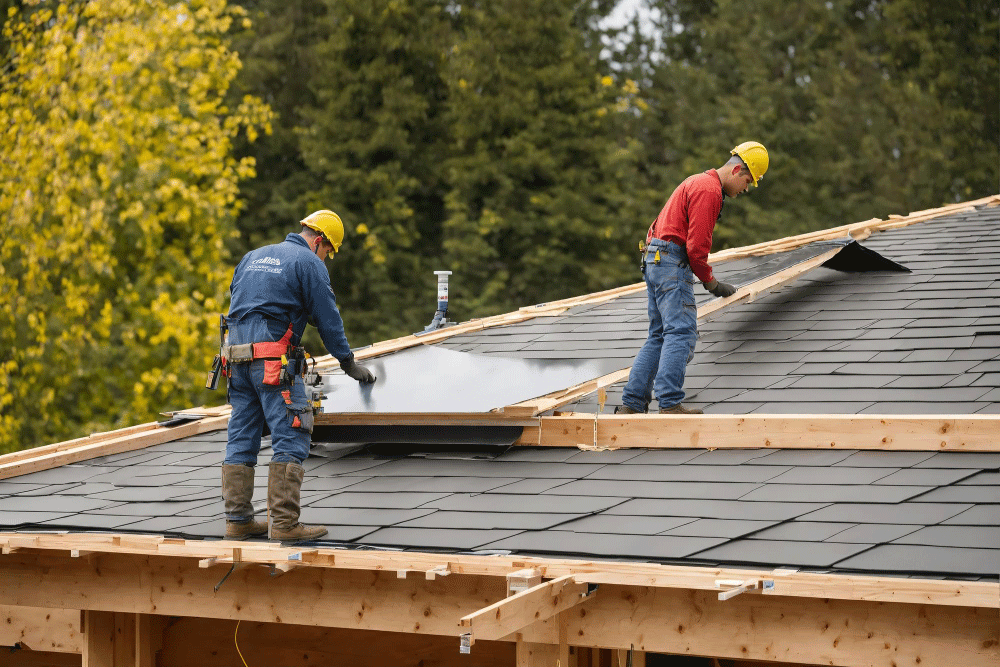
Garage roof repair cost depends on the size of the damaged area, roofing material, labor needs, roof pitch, and access. Hidden moisture, damaged decking, failed flashing, and wood rot can raise the final price beyond a basic surface fix. An on-site inspection and itemized quote give homeowners a clearer estimate based on the garage’s actual condition.
The average garage roof repair cost depends on the damaged area, roofing material, and condition beneath the surface. A small leak may require limited work, while hidden moisture, damaged decking, or weakened flashing can raise the price. A careful inspection gives homeowners a more accurate estimate than a broad online range.
What Affects Garage Roof Repair Cost?
As a general benchmark, garage roof work may cost around $395 to $1,965, although a small shingle or leak fix may start near $150. Extensive work involving damaged decking, structural weakness, or widespread water damage can reach $3,000 to $8,000. The final garage roof repair cost depends on the affected area, roofing material, pitch, access, labor rates, and hidden damage found during inspection.
Local conditions also matter because roof repair and installation in Maine must account for snow, ice, rain, wind, and repeated freeze-thaw cycles. These weather patterns can loosen shingles, open flashing joints, trap moisture, and weaken older materials.
How the Type of Damage Changes the Price
A limited repair usually costs less when damage affects only a few shingles, a small puncture, or one section of flashing. The crew can often complete the work with fewer materials and less removal.
Moderate damage may involve a recurring leak, worn underlayment, or moisture around a vent. Workers may need to remove nearby materials so they can trace the water path and rebuild the area correctly.
Severe damage can spread into decking, framing, insulation, ceilings, or stored items. Garage roof repairs cost more when the job includes removing wet materials, replacing weakened wood, and restoring several roofing layers.
Common Garage Roofing Problems and Their Cost Impact
- Missing or Damaged Shingles
Replacing a few damaged shingles usually sits on the lower end of the price range. The total can increase when the contractor must match an older color, locate a discontinued product, or work on a steep surface.
- Leaks Around Flashing
Flashing directs water away from roof edges, vents, chimneys, walls, and other transitions. When it bends, separates, rusts, or pulls away, water can enter beneath otherwise sound materials.
The cost rises when workers must remove surrounding shingles or membrane sections before installing new flashing. A ceiling stain may sit away from the opening because water can travel along decking or framing.
- Damaged Decking and Wood Rot
Decking damage raises the cost to repair garage roof areas because new materials need a firm base. Workers must remove weakened sections, inspect nearby framing, install sound panels, and rebuild the protective layers above them.
Rot may remain hidden until the outer materials come off. Homeowners should leave room in the budget for wood work when a leak has remained active for a long time.
- Flat and Low-Slope Roof Problems
Flat and low-slope garages often use rubber, modified bitumen, or another membrane system. Common problems include punctures, loose seams, ponding water, and damaged edge details.
The crew must use a compatible method and match the existing system. Moisture can spread beneath a membrane, so the visible opening may not show the full work area.
How Garage Size and Roof Pitch Affect Labor
Garage size affects material quantities, but square footage does not tell the full story. A small detached garage with poor access can take longer than a larger structure with one easy-to-reach problem.
Roof pitch also changes setup and working time. Steeper roofs require more safety equipment, slower movement, and careful material handling, which can raise labor charges.
Narrow property lines, fences, landscaping, overhead wires, attached walls, and limited driveway space may slow material delivery and cleanup. These access limits can add labor even when the damaged area is small.
How Roofing Materials Affect the Estimate
Asphalt shingles often cost less to work with than metal roofing or specialty membranes. Architectural shingles, standing-seam panels, and premium flat-roof systems may carry higher material and labor charges. Material availability can also affect pricing when a matching product requires special ordering or longer delivery time.
The contractor may need to remove nearby materials carefully so the new section connects correctly with the existing surface. This step creates a cleaner transition and reduces the chance of another leak forming beside the repair.
When the Cost to Repair Garage Roof Areas Increases
The cost to repair garage roof sections rises when water has reached more than the outer covering. Underlayment, decking, insulation, fascia, flashing, and framing can all add work to the project.
Scattered damage may also cost more than one concentrated problem. Workers spend more time moving across the roof, opening separate sections, and completing several detailed repairs.
Emergency timing can affect the estimate. Work after a major storm or during difficult weather may require temporary protection before permanent work can begin.
Why an Inspection Gives a Better Price
An on-site inspection helps separate visible damage from deeper moisture or structural concerns. The contractor can review shingles or membranes, roof edges, flashing, penetrations, drainage, decking, and interior warning signs.
A written estimate should describe the damaged area, planned materials, labor scope, cleanup, warranty terms, and possible changes if hidden damage appears. This detail makes it easier to compare the work rather than focusing only on the lowest number.
Homeowners should also ask who will complete the job. An in-house crew gives the contractor more direct control over scheduling, installation standards, communication, and final quality.
How to Plan a Realistic Garage Roofing Budget
Start with the visible problem, then leave room for concealed damage beneath the surface. Water stains, musty odors, soft decking, sagging areas, granule loss, and repeated leaks can signal work beyond a simple patch.
Ask for an itemized quote based on the actual garage rather than national averages. A qualified asphalt roofing contractor in Maine can explain local weather demands, material compatibility, access limits, and the likely life of the completed work.
A fair price should reflect careful diagnosis, suitable materials, skilled labor, cleanup, and warranty coverage. The lowest estimate may not be the best value when it leaves the original water path unresolved.
Get a Clear Garage Roof Estimate
At Monastery Roofing, we use our own crews, install quality materials, and back our workmanship with a lifetime warranty. Schedule a free inspection with us and request a roof quote based on the actual condition of your garage.
FAQs
A small garage roof leak may cost about $200 to $1,000 to fix, depending on the leak source, roofing material, and labor required. Limited shingle damage, a minor puncture, or a narrow flashing gap often falls near the lower end, while damaged underlayment or decking raises the price. A contractor must locate the entry point before confirming the cost because water can travel away from the visible stain.
The main pricing factors include damage severity, material type, roof size, pitch, labor time, and access. The condition of the decking and flashing also matters. Flat or low-slope garages may need specialized membrane materials, while steep roofs require added safety measures and more working time.
Hidden damage may become visible only after workers remove shingles, flashing, or membrane sections. Wet decking, wood rot, damaged insulation, or weakened framing can increase the work area and material needs. A detailed estimate should explain how the contractor will handle concealed damage if it appears.
A patch may cost less at first when the problem affects a small, isolated area. However, temporary sealing may not solve leaks caused by failed flashing, poor drainage, aging materials, or installation errors. Correcting the source can reduce repeated work and further moisture damage.