Quick Summary
Sustainable roofing can lower energy use, extend roof lifespan, reduce landfill waste, and add resale appeal while standing up to Maine’s harsh winters. Long-lasting metal panels and EPDM rubber membranes need replacing less often, and metal can be recycled at the end of its service life. Homeowners also gain a more comfortable home and a smaller carbon footprint without sacrificing style. Monastery Roofing installs these systems with our own trained crews and backs every project with a workmanship lifetime warranty, so the benefits last as long as the roof itself.
Homeowners across Maine are asking more questions about sustainable roofing benefits than ever before, and for good reason. A roof is one of the largest investments a property owner makes, and the material chosen affects everything from monthly energy costs to long-term maintenance.
As a family-owned roofing company installing roofs across Lewiston, Portland, Brunswick, and Augusta for fifteen years, Monastery Roofing has watched sustainable materials move from a niche request to a mainstream expectation.
Families want roofs that perform well through harsh New England winters while also reducing waste and energy use. Below, we cover eleven benefits of choosing a sustainable roof, so you can decide with confidence when it is time to plan your next project.
1. Lower Energy Bills Year-Round
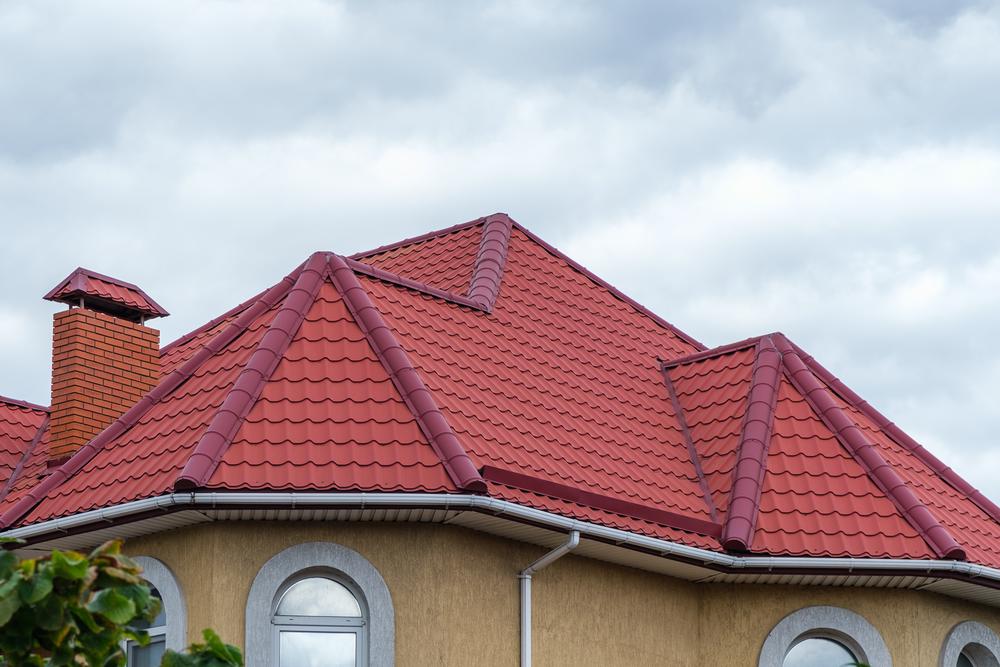
Energy-efficient roofing reduces how hard your cooling system has to work during the warmer months. Reflective “cool” shingles and light-colored metal panels send more of the sun’s heat back into the atmosphere instead of absorbing it into your attic, which helps keep upper floors more comfortable in summer.
In a cold climate, reflective roofing can slightly increase heating needs in winter, although the U.S. Environmental Protection Agency notes that summer cooling savings typically offset this effect, and snow cover and good insulation reduce it further. Pairing the right roofing material with proper attic insulation and ventilation is what keeps heat inside during a Maine cold snap, which makes your roof a practical part of your home’s overall energy strategy.
2. A Genuinely Longer Lifespan
Metal roofing is built to outlast traditional asphalt by decades, and InterNACHI estimates a service life of 40 to 80 years for metal compared with roughly 20 to 30 years for asphalt shingles. EPDM rubber membranes, rated at 15 to 25 years, offer a durable, low-maintenance option for flat and low-slope roofs. A longer lifespan means fewer replacements over the life of your home, which reduces both cost and material waste over time. This is one of the clearest green roofing benefits available to homeowners who want to choose a roof once and stop thinking about it for a long time.
3. Reduced Landfill Waste
Worn-out asphalt shingles often end up in landfills, and the U.S. Environmental Protection Agency lists asphalt roofing shingles among the construction and demolition materials it encourages communities to keep out of landfills through reuse and recycling. Sustainable roofing materials are frequently recyclable or manufactured with recycled content, which shrinks their environmental footprint from installation through eventual replacement.
4. Recyclable Materials
Metal roofing is highly recyclable, and at the end of its long service life, steel and aluminum panels can be recycled rather than discarded. This closed-loop lifecycle is part of why so many environmentally minded homeowners choose metal, and our guide to the pros and cons of metal roofs covers the trade-offs in more detail.
5. Better Stormwater Management
Sustainable roofing systems, when paired with properly sized gutters, help direct rainwater away from your foundation instead of letting it pool or overflow. Well-designed gutter systems reduce erosion around your property and protect your landscaping from runoff damage during Maine’s heavy spring rains.
The roof and gutter system work together as part of your home’s water-management strategy. Keeping that system properly maintained can help prevent overflowing gutters, saturated areas near the foundation, and unnecessary damage to exterior surfaces.
6. Improved Indoor Comfort
A sustainable roof paired with proper attic insulation keeps interior temperatures more consistent throughout the year. This means fewer drafts in winter, less humidity buildup in summer, and a more comfortable living environment overall, with less time spent adjusting the thermostat. Pairing a sustainable roof with quality window insulation amplifies these comfort gains even further.
7. Increased Home Resale Value
Many buyers look for homes with energy-efficient features, and a newer, long-lasting roof is a visible, tangible selling point. A roofing system that lowers future energy costs and will not need replacing for many years gives prospective buyers one less concern and another reason to take interest in a property.
8. Lower Long-Term Maintenance Costs
Durable, weather-resistant materials hold up better against wind, hail, ice, and heavy snow loads, which means fewer issues over time. While every roof needs occasional attention, sustainable systems are engineered to minimize the wear and tear that leads to costly problems down the road.
Fewer repairs can also mean less time spent dealing with unexpected roofing concerns. Choosing materials suited to Maine’s climate gives homeowners a better foundation for managing routine maintenance and preserving the condition of the roof.
9. A Smaller Carbon Footprint
Long-lasting roofing materials, particularly metal, often carry a smaller lifecycle footprint than materials that need frequent replacement. Choosing a roof built to last several decades, rather than one that needs replacing every twenty to thirty years, reduces the cumulative carbon impact of your home.
The environmental impact of a roof extends beyond the day it is installed. Materials that remain functional for many years can reduce the resources needed for manufacturing, transportation, installation, and disposal associated with repeated replacement projects.
10. Rebates for Related Energy Upgrades
Roof coverings themselves rarely qualify for incentives, and the federal Energy Efficient Home Improvement Credit ended for improvements placed in service after December 31, 2025. However, a roofing project is often a good time to address attic insulation and air sealing, and Efficiency Maine offers rebates on qualifying insulation work completed by a registered vendor.
Incentive programs can change over time, and eligibility may depend on the product, project, location, and installation date. Homeowners should verify current requirements before making financial decisions based on a particular rebate or tax credit.
11. Enhanced Curb Appeal With Modern Materials
Sustainable roofing has come a long way in style and color options, so homeowners no longer have to choose between an eco-friendly roof and an attractive one. Modern metal panels, dimensional shingles, and rubber roofing systems all come in a wide range of finishes that complement many architectural styles.
Today’s sustainable roofing options can also suit traditional and contemporary homes alike. With different profiles, textures, and finishes available, homeowners can choose a roof that aligns with their exterior design while still prioritizing efficiency and durability.
Bringing Sustainable Roofing Benefits to Your Maine Home
Getting the most out of a sustainable roof starts with a contractor who understands both the materials and the Maine climate. As an experienced asphalt roofing contractor in Maine, we also handle roof repair and installation using durable materials built to perform in New England’s toughest weather.
Understanding the benefits of green roofing does not require an engineering degree; it simply means choosing materials that last longer, use less energy, and cost less to maintain. Our own crews install every roof we take on, never subcontractors, and we back each project with a workmanship lifetime warranty.
Contact Monastery Roofing today for a free inspection and 3D pictures of your project, and let our family-owned crew help you choose the most sustainable roofing option for your home.
FAQs
Metal roofing is generally considered one of the most sustainable options because of its long lifespan and recyclability, while EPDM rubber is a durable, efficient choice for flat and low-slope roofs. The right choice depends on your roof’s slope, your budget, and how long you plan to stay in your home.
Sustainable materials often carry a higher initial price than basic asphalt shingles, but a longer lifespan, lower maintenance, and fewer replacements can make up much of the difference over time.
InterNACHI estimates roughly 20 years for 3-tab asphalt shingles and 30 years for architectural shingles, compared with 40 to 80 years for metal roofing and 15 to 25 years for EPDM rubber. Installation quality and maintenance affect the real-world lifespan of every material.
In some cases, yes. Improved attic ventilation, added insulation, and window insulation upgrades can improve energy efficiency without a full roof replacement, though a professional inspection is the best way to know your options.
Yes. We install asphalt, metal, and EPDM rubber roofing systems across Lewiston, Portland, Brunswick, and Augusta, and every installation is backed by our workmanship lifetime warranty.