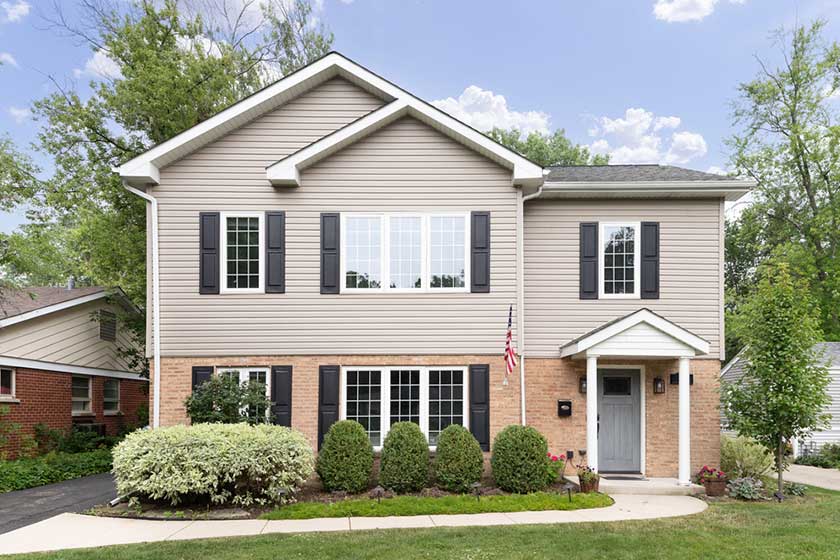
Selecting the right exterior for your home affects not only its appearance but also its durability and maintenance needs. Homeowners often debate between brick vs. siding, as both materials offer unique advantages.
Brick is known for its longevity and timeless appeal, while siding provides affordability and versatility. Deciding which is best for your home depends on factors such as climate, budget, and personal preference. Understanding the benefits and drawbacks of both materials can help you make an informed decision.
Durability and Longevity
Brick is one of the most durable building materials available. It withstands extreme weather conditions, resists pests, and does not rot or warp over time. Homes built with brick can last over a century with minimal upkeep. However, the mortar between bricks may require repointing after several decades to maintain its integrity.
Siding materials vary in durability. Winthrop siding options include vinyl, fiber cement, and engineered wood, each with different lifespans. Vinyl siding can last 20-40 years, while fiber cement siding has a lifespan of around 50 years. Engineered wood siding requires maintenance to prevent moisture damage but can last over 30 years when properly cared for.
Cost Considerations
Cost plays a major role when comparing brick vs. siding. Brick is significantly more expensive, both in material and labor costs. On average, brick installation costs between $8 and $15 per square foot, while siding ranges from $3 to $9 per square foot, depending on the type.
Vinyl siding is the most budget-friendly option and is widely used for its affordability and low maintenance. Vinyl siding for Winthrop, ME homeowners is often preferred for its ability to mimic different textures while remaining cost-effective. Fiber cement and engineered wood siding come at a higher price but offer increased durability and a more natural look.
Maintenance Requirements
Brick requires very little maintenance. Occasional power washing keeps it looking clean, and repointing may be needed after several decades to repair mortar joints. Unlike siding, brick does not need painting or sealing, making it a low-maintenance option.
Siding, depending on the material, may require more upkeep. Vinyl siding is resistant to moisture and insects but can crack in extreme cold. Fiber cement siding needs repainting every 10-15 years to maintain its appearance. Engineered wood siding must be sealed and repainted periodically to prevent damage from moisture and pests.
Aesthetic Appeal and Style Options
Brick has a classic and timeless look that complements both traditional and modern homes. It adds curb appeal and can increase a home’s resale value due to its high-end appearance. However, brick colors are limited, and modifications can be difficult.
Siding comes in various styles, colors, and textures, allowing homeowners to customize their exterior. Siding choices include options that mimic wood, stone, and stucco, providing flexibility in design. Vinyl and fiber cement siding can be painted or replaced easily, making it a more adaptable option for homeowners who like to update their home’s look over time.
Energy Efficiency and Insulation
Brick has natural insulating properties that help control indoor temperatures. It keeps homes warm during winter and cool during summer, therefore reducing energy costs. However, brick does not provide complete insulation on its own and may need additional insulation in colder climates.
Siding varies in energy efficiency depending on the material. Some siding options, such as insulated vinyl or fiber cement, include built-in insulation that enhances a home’s thermal performance. Vinyl siding is often chosen for its energy-saving benefits, especially when paired with foam-backed insulation.
Weather Resistance in Winthrop, ME
The climate in Winthrop, ME includes cold winters, humid summers, and occasional storms. Brick performs well in harsh weather, resisting wind, rain, and fire. It does not absorb water easily, reducing the risk of mold and rot. However, in areas with freeze-thaw cycles, brick can develop cracks if moisture gets trapped in the mortar.
Siding options like fiber cement and vinyl are designed to handle extreme temperatures. Fiber cement is highly resistant to moisture and fire, making it a strong choice for homes in Winthrop. Vinyl siding is weather-resistant but can become brittle in extremely cold conditions.
Which Option Is Right for Your Home?
Deciding between brick vs. siding depends on personal preference, budget, and long-term goals. Brick is ideal for homeowners who want a durable, low-maintenance, and classic exterior. Siding is a great choice for those who prefer affordability, design flexibility, and modern material options.
At Monastery Roofing, we understand that choosing the right exterior is an important decision. We specialize in quality siding installation in Maine, offering a range of options to fit your needs. Whether you’re considering vinyl siding or another material, our team is here to help. Contact us for a consultation and find the best material for your Winthrop, ME home.