There are several roofing materials to choose from, and choosing one for your home can be difficult. Making the best selection may just start with where your home is located. The climate in New England is much different than other areas, which puts more stress on finding the right roofing materials that are able to withstand the seasons of heavy rain and snow. Secondly, the type of roof your house has can influence your choice of the best roofing materials that suit your home. Thirdly, personal preference can also come into play and may even help you narrow down your choices.
Before you start your search for the best roofing materials for your house in Maine, think about the answers to these questions.
- Is your home used for any other purposes, such as running a business?
- Is your roof’s design flat or pitched?
- What qualities are most important to you? Are you more interested in investing in durability? Do you want aesthetic qualities to weigh more than others? Maybe you want a little bit of both durability and aesthetic appeal.
Once you know the answers to these questions, you’ll want to do a bit of research to determine the benefits and limitations of the various roofing materials. We’ve put together this list to serve as a reference or guide to help you choose the right material for your home’s roof.
Why Choose Composition or Asphalt Shingles?
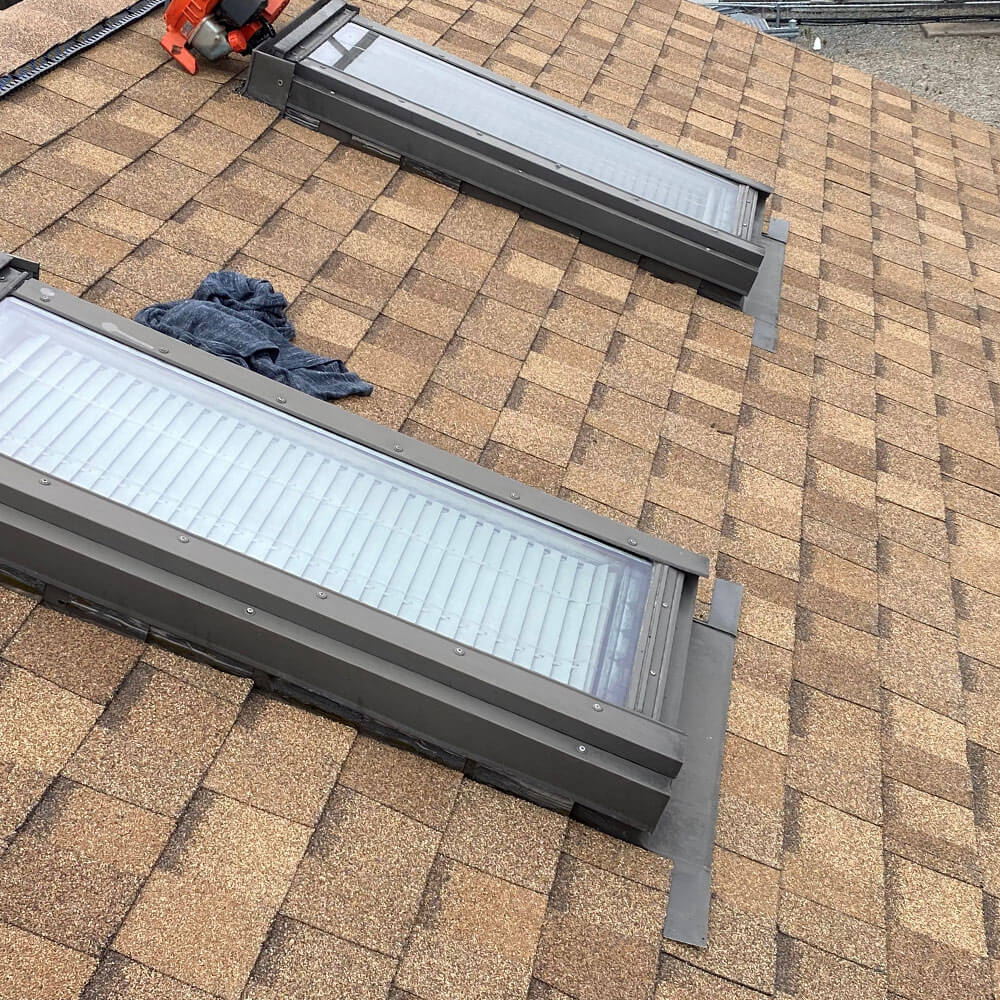
Most people are familiar with shingles, and they are still a popular choice among homeowners. Shingles are made from asphalt or fiberglass. Their affordability and durability continue to make them a popular choice. They are also easily installed and easy to maintain. As far as their aesthetic appeal is concerned, asphalt shingles come in a wide variety of colors, so it’s easy to get the look you want for your roof. Not only do they look good on any style of house, but they also typically last between 15 and 30 years. Asphalt roofing can handle the extreme weather conditions common to the New England area, including heavy rains, lots of snow, and high winds.
Why Choose Rubber (EPDM) Roofing?
EPDM coatings are used for roofing and generally referred to as rubber roofing. This roofing material is often used in commercial settings because of its amazing durability and the low cost of installation. EPDM roofing materials are made from recycled rubber, which is turned into a synthetic membrane. The material is usually between 45 and 60 mils thick. Rubber roofs are waterproof and durable. Due to their insulating nature, they can help reduce the cost of heating and cooling your home. The end product is actually very lightweight, and if it needs repairs, it’s usually a simple, inexpensive fix. They are also resistant to both UV light and ozone. If you compare the price of rubber roofing to the cost of asphalt and metal roofing materials, you’ll find that rubber roofing is less expensive.
Why Choose Metal Roofing?
Metal roofing materials are more expensive than other options, and they are more difficult to install. However, the trade-off is a roof that can last up to 50 years. A metal roof is exceptionally low-maintenance and can withstand the harsh weather conditions common to Maine. It withstands high winds, hail, and heavy rain and reflects the heat of the sun. This type of roof provides outstanding energy efficiency to help you save on utility bills. Today’s modern metal roofing isn’t just a dull sheet of metal stuck on the roof. Metal roofing materials can be made to look like other types of roofs, such as tile roofing. Choosing metal roofing materials for your Maine home is an environmentally sustainable choice since they are made from recycled materials.
Discuss Your Maine Roofing Needs with a Professional Roofer
At Monastery Roofing, we have decades of roofing experience and can help you choose the right roofing material for your home. We understand how harsh Maine winters can be and how both winters and summers can present extreme conditions. If you are unsure about which material to choose, or just need to know all your available options, our roofing experts can help. We’ll come to your home to provide a free estimate. Contact us today, and let us answer your questions.