Natural disasters can strike without warning, leaving significant damage in their wake. Acting quickly and taking the right steps can minimize risks and protect your property. Emergency storm damage repair requires a focused approach to ensure safety and a swift return to normalcy. Here are vital steps to follow when dealing with storm-related emergencies.
Assess Safety and Evacuate the Premises if Necessary
Storm damage can lead to unsafe conditions such as exposed electrical wires, unstable structures, or flooding. Begin by evaluating the safety of the property without entering dangerous areas. If you notice hazards like gas leaks or severely damaged walls, evacuate immediately and contact local authorities. Avoid walking into water-logged spaces as hidden dangers like live wires or sharp objects may be present. Your safety should be the top priority before addressing property issues.
If the damage appears severe, wait for professional assistance rather than risking injury. Keep others, including family members or employees, away from the affected areas until a thorough assessment confirms that it is safe to re-enter. Always follow official warnings and evacuation notices in extreme situations. Quick action can prevent harm and allow professionals to handle dangerous conditions effectively.
Inspect Property for Immediate and Visible Damages
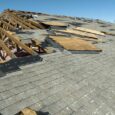
Once it is safe to approach, carefully examine your property for signs of damage. Pay attention to roofs, siding, windows, and doors, as these are often the most affected areas. Check for broken glass, missing shingles, cracks, or holes that could expose your home or business to further damage. A clear inspection helps identify areas requiring immediate attention.
Outdoor structures such as fences, patios, or garages should also be inspected. Look for uprooted trees or debris that may have fallen on your property. Damage to critical areas like roofs or foundations requires urgent repair to prevent water intrusion or structural issues. Proper inspection ensures you take timely action to protect your investment.
Document Damage with Photos and Detailed Notes
Accurate documentation is vital when addressing storm damage. Take clear, detailed photos of every affected area, capturing both wide-angle views and close-ups. Include damaged furniture, appliances, or equipment in your photos. Visual records strengthen insurance claims and help repair professionals understand the scope of the damage.
Write detailed notes to accompany your photos, describing the location and extent of each issue. For instance, specify the size of holes, missing shingles, or any water pooling inside. Organizing this information allows for a smoother claims process and faster repairs. Comprehensive documentation supports effective communication with storm damage companies and insurers.
Contact Your Insurance Provider to File a Claim
Reach out to your insurance provider as soon as possible to start the claims process. Share your documentation and provide accurate details about the damage. Many insurers have specific timeframes for reporting storm-related losses, so timely communication is crucial. Be ready to answer questions about the event and provide any additional information requested.
Stay in contact with your storm damage repair company and insurer throughout the process. Collaborating with professionals ensures repairs align with insurance requirements and are completed efficiently. Acting quickly after storm damage minimizes delays, reduces out-of-pocket costs, and speeds up the recovery process for your property.
Where Insurance Steps in, and Where It Doesn’t
Coverage questions surface almost immediately, and the answers follow a consistent pattern across most policies. Insurers generally respond to covered perils, meaning sudden and accidental damage traced to an identifiable event, meaning wind, hail, or a fallen tree.
That is precisely what homeowners insurance exists to address. Deductibles for these events work differently from the rest of your policy, though, and the difference catches people out. Reading the fine print before you need it saves a great deal of frustration later.
According to the Insurance Information Institute, wind-related deductibles are usually calculated as a percentage of a home’s insured value rather than as a flat dollar amount, typically falling between 1 and 5 percent.
On many homes, that threshold exceeds the cost of the work entirely. Gradual deterioration receives different treatment again, since wear, aging materials, and deferred upkeep sit outside standard coverage.
Photograph everything before cleanup begins, contact your insurer before authorizing permanent work, and keep every invoice you receive, and read your declarations page before storm season rather than after.
Secure Property to Prevent Further Damage Risks
Taking immediate steps to protect your property after storm damage can reduce the risk of further loss. Begin by securing exposed areas, such as damaged roofs or siding, to block water or debris from entering. Place sturdy barriers around unstable sections of your property to prevent injuries or accidents. Quick action safeguards against additional structural damage caused by prolonged exposure to the elements.
Use materials such as plastic sheeting, plywood, or weather-resistant covers to shield vulnerable areas. For outdoor spaces, secure loose items like patio furniture or garden equipment to stop them from causing further harm during high winds or rain. Addressing these risks quickly stabilizes the property and limits the extent of repairs needed later.
Remove Debris Carefully from Affected Property Areas
Clearing debris after a storm requires caution to avoid injury or further damage. Begin by wearing protective gear such as gloves, boots, and safety glasses. Inspect the area for hazards like sharp objects, glass, or nails before starting the cleanup. Work methodically to remove fallen branches, broken materials, and scattered debris without causing additional harm to the property or yourself.
For larger debris like downed trees or heavy materials, enlist professional help rather than attempting removal alone. Overloading waste bins or improperly discarding debris can create safety concerns. Handling debris with care ensures a safer cleanup process and prevents unexpected setbacks during repairs.
Cover Roof Damage with Temporary Protective Tarps
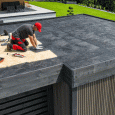
Roof damage requires prompt attention to prevent leaks or further structural harm. Use heavy-duty tarps to cover exposed areas until permanent repairs can be made. Ensure the tarps are securely fastened to withstand weather conditions, using nails, screws, or weighted objects to keep them in place. Covering the roof helps protect interiors from water damage and additional issues.
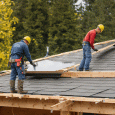
Climbing onto a roof to install tarps can be dangerous, especially after a storm. Consider hiring a professional to handle the process if conditions are unsafe or the damage is extensive. Addressing roof damage quickly minimizes the risk of costly repairs and keeps your property protected until experts arrive.
Emergency Tarping and What Temporary Protection Costs
Stabilization almost always arrives before any permanent solution, and tarping is the tool that delivers it. A properly installed tarp halts water entry, buys time for materials to be sourced, and stops a contained problem from spreading through insulation and framing.
What it costs comes down to three things, each of which you can assess yourself. How much area needs covering, how steep the roof is, and how securely the tarp has to be anchored to survive whatever weather is still coming. A small section on a shallow slope sits at one end of that scale.
Whatever the emergency roof leak repair cost comes to, treat it as the cheapest part of the episode. Once water saturates insulation, soaks drywall, and reaches framing, you have moved well beyond roofing into interior restoration with several trades involved. Money spent on containment routinely prevents far larger sums later. Anyone tempted to climb up alone should know that wet roofing surfaces during active weather cause serious injuries every year.
Address Broken Windows and Entry Points Quickly
Storms often leave windows, doors, and other entry points broken or compromised. Cover shattered windows with sturdy plastic or plywood to block rain, wind, or intruders. Ensure doors are securely closed, even if their frames are damaged, to maintain security. Temporary fixes help stabilize your property and prevent further exposure.
For commercial properties, secure entrances to avoid liability concerns or unauthorized access. Businesses may also benefit from boarding up damaged areas to ensure safety. Timely attention to broken windows and doors reduces risks and keeps the property protected until professionals can repair the damage.
Check for Electrical Hazards and Shut Off Power
Electrical hazards are common after severe storms and require immediate attention to ensure safety. Inspect the property for exposed wires, damaged outlets, or electrical equipment submerged in water. If you suspect electrical risks, turn off the main power supply before entering affected areas. Avoid touching wet wires or appliances, as they may still carry electricity.
Contact licensed electricians to assess and repair any damaged electrical systems. Do not attempt repairs without proper expertise, as this can result in severe injury or further issues. Addressing electrical hazards promptly creates a safer environment and allows other repairs to proceed without risk.
The Cost of Waiting Until Morning
Delay carries its own price tag, and it compounds faster than most homeowners expect. Water moving through a roof assembly finds insulation first, where saturation strips away thermal performance permanently.
Drywall follows, then framing, then the finishes you actually care about. Mold establishes itself within days given the right temperature and moisture. Each stage adds a separate trade to the eventual invoice, and every one of those trades brings its own minimum charge. Restoration crews then follow the roofer onto the job.
Weighing a surcharge against that progression usually settles the question quickly. The genuine risk is not the premium on the call, it is the interior work that arrives behind it.
Attempting a temporary fix yourself rarely improves the arithmetic either, since improvised patching on a wet, pitched surface tends to redirect water rather than stop it. The damage then lands in exactly the places that cost the most to restore. Speaking with a professional at the moment of discovery narrows nothing, while every hour of delay shrinks what a crew can still save.
What You’re Really Paying for in an Emergency Call
Understanding the invoice removes most of the anxiety attached to it. An urgent visit is not the same work at an inflated rate. You are buying immediate availability, a crew willing to leave home at an unsociable hour, and the judgment required to stabilize a situation before permanent work becomes possible.
Someone has to assess a wet roof in the dark, decide what will hold until morning, and carry the equipment to make that happen. That skill is the product, and the covering material is almost an afterthought. None of it happens on a normal schedule, which is why the work carries a premium.
What Maine’s Climate and Short Season Add to the Bill
Local conditions shift national figures in ways worth understanding before you need the number. Repeated freezing and thawing does more damage here than steady cold ever would.
Research from the National Institute of Standards and Technology records that asphalt shingles meet thermal cycling, ultraviolet radiation, and freeze and thaw events across their service life, alongside direct mechanical loads including wind-induced uplift, and that published literature indicates their ability to withstand those loads may be compromised after that weathering exposure.
Small openings widen through each cycle until they turn into genuine entry points for water, which is why any asphalt roofing contractor working in this climate treats seasonal inspection as routine rather than optional.
Season length creates a second pressure that homeowners feel directly. Exterior work in this state concentrates into a short warm stretch, which pushes demand into fewer months and keeps schedules tight through summer and early fall.
Winter emergencies therefore land during the window when crews face the hardest conditions and the shortest daylight. A January call reflects every one of those pressures at once, which explains why identical damage can feel different in different months.
Homeowners who arrange attention during warmer months genuinely sidestep much of that pressure. Planning ahead remains the only reliable defense against the seasonal squeeze.
Monastery Roofing: Your Storm Damage Roofing Contractor in Maine and Trusted Storm Restoration Experts
Protecting your property after a storm requires reliable professionals who act quickly to restore safety and security. At Monastery Roofing, we step in as your storm damage roofing contractor in Maine, providing swift and expert solutions to repair and secure your roof. Our experienced team addresses storm-related issues with precision, ensuring your home or business regains its strength and durability. As trusted asphalt roofing experts in Maine, we handle everything from minor fixes to large-scale repairs with professionalism and care. Contact us today to experience Monastery Roofing’s commitment to quality, efficiency, and exceptional results for all your storm restoration needs.
Emergency Roof Repair FAQs
When Does a Leak Justify an Emergency Call Rather Than a Scheduled Visit?
An urgent call applies when sudden damage creates an active leak or leaves your home open to the weather. Storm impact, a fallen limb, and structural failure all qualify. A stain that appeared last month or a few loose shingles can wait for a scheduled visit. The test is whether waiting until business hours would let more water inside.
What Makes Up the Cost of an Emergency Roofing Call?
The figure is assembled from labor, materials, and hours rather than taken from an average. Federal wage data puts the median annual wage for roofers at $55,440 as of May 2025, with the highest paid tenth above $81,720, and billing rates run higher again once overhead is covered. Severity, access, and timing then determine how long your particular job takes to make safe.
Will Homeowners Insurance Pay for Emergency Roof Work?
Insurers answer covered perils, meaning sudden and accidental damage from wind, hail, or a fallen tree. Wear, aging materials, and deferred upkeep sit outside that. According to the Insurance Information Institute, wind deductibles usually run as a percentage of your home’s insured value rather than a flat amount, typically 1 to 5 percent, which on many homes exceeds the work itself.